Laid Off? Here’s What To Do When Your Career Suddenly Stops Working

How to Stabilize, Think Clearly, and Move Forward After Job Loss
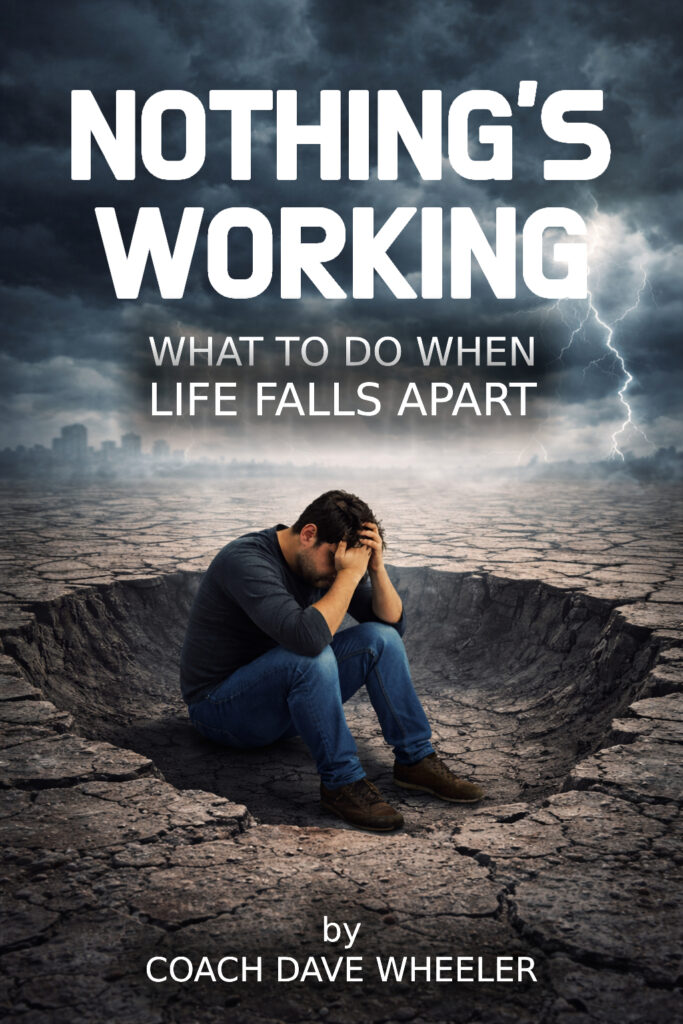
Does it feel like Nothing's Working since you were laid off?  Coach Wheeler's book will help you figure out What To Do !

You didn’t see it coming.

Or maybe you did — but you hoped it wouldn’t happen.

The meeting invite.
The quiet tone.
The conversation that changes everything.

Position eliminated.
Company restructuring.
Budget cuts.
Role no longer needed.

Just like that, your direction disappears.

If you were recently laid off, you may be feeling some combination of:

  • shock
  • anger
  • fear
  • embarrassment
  • confusion
  • exhaustion
  • uncertainty about what comes next

Let’s start here:

Your reaction is normal.
And this moment does not define your future.

But how you respond next will.


Why Job Loss Hits So Hard

Losing a job is not just a financial event.

It’s an identity disruption.

Your routine changes.
Your sense of contribution shifts.
Your structure disappears.
Your confidence takes a hit.

Your brain treats this as a threat.

That’s why you may notice:

  • racing thoughts
  • emotional swings
  • decision paralysis
  • loss of motivation
  • difficulty focusing

Nothing is “wrong” with you.

You are under pressure.

And pressure requires a different response than panic.


The Biggest Mistake People Make After Being Laid Off

Most people do one of two things:

They react emotionally
or
They freeze completely.

They rush decisions.
They spiral mentally.
They avoid reality.
They withdraw.

Both make the situation worse.

What you need first is stability — not speed.


What To Do Instead: The STAND Method

When everything feels uncertain, you don’t panic.

You S.T.A.N.D.

This framework helps people navigate hard seasons — including job loss — with clarity and control.


S — Stabilize First

Before updating your resume or applying for jobs, regulate your nervous system.

You cannot make good decisions while overwhelmed.

Try this:

  • take slow breaths (4 in, 6 out)
  • go for a walk
  • get sleep
  • talk with someone calm

Clarity follows stability.


T — Tell the Truth

Be honest about your situation without exaggeration.

Not:
“I’m ruined.”

But:
“My job ended. Now I choose my next direction.”

Truth reduces emotional distortion.


A — Adjust the Story

Job loss often creates a damaging narrative:

  • “I failed.”
  • “I’m behind.”
  • “No one will hire me.”

Replace the story:

  • This is a transition.
  • This is redirection.
  • This is a chance to reassess.

Your interpretation shapes your future.


N — Navigate Forward

Take small actions:

  • update LinkedIn
  • contact three people
  • research industries
  • learn one new skill

Momentum reduces fear.


D — Deliver Value

Even without a job, you can contribute.

Help someone.
Teach something.
Volunteer.
Create something useful.

Contribution restores confidence.


The Hidden Opportunity Inside Job Loss

You may not see it yet.

But layoffs often create:

  • clarity about what you actually want
  • motivation to grow
  • freedom to change direction
  • stronger resilience
  • better long-term decisions

Many people later describe their layoff as a turning point.

Not immediately.

But eventually.


What Companies Often Miss

Organizations focus on logistics after layoffs.

Severance packages.
Benefits.
Administrative steps.

But employees also need:

  • emotional stabilization
  • clear thinking tools
  • decision guidance
  • forward direction
  • confidence rebuilding

Without this support, fear spreads, morale drops, and recovery slows. Forward-thinking organizations are beginning to recognize this. Some now provide resilience and transition coaching to help employees move forward faster and healthier. Coach Wheeler is often brought in to give employees the skills and mindset to process the loss of a job and move onto the next part of their life.


A New Approach:
Hard Season Transition Sessions

Increasingly, companies are inviting top performance coaches such as Coach Wheeler to help employees navigate career disruption with clarity and structure.

These sessions typically help people:

  • stabilize emotionally
  • think clearly under pressure
  • make strategic career decisions
  • rebuild confidence
  • move forward faster

Because they can even be delivered remotely via Zoom, they require minimal time and cost while providing meaningful support.

It’s a simple way organizations can help people leave stronger than they arrived.

(If your organization is exploring support for recently laid-off employees, this type of session can make a significant difference.)


You Are Not Stuck — You Are In Transition

Right now may feel like collapse.
But it is more accurately reconstruction.

You are not starting over.
You are starting from experience.

And how you respond during this season will shape the opportunities ahead.


A Deeper Dive Is Coming

This article only scratches the surface.

My upcoming book:
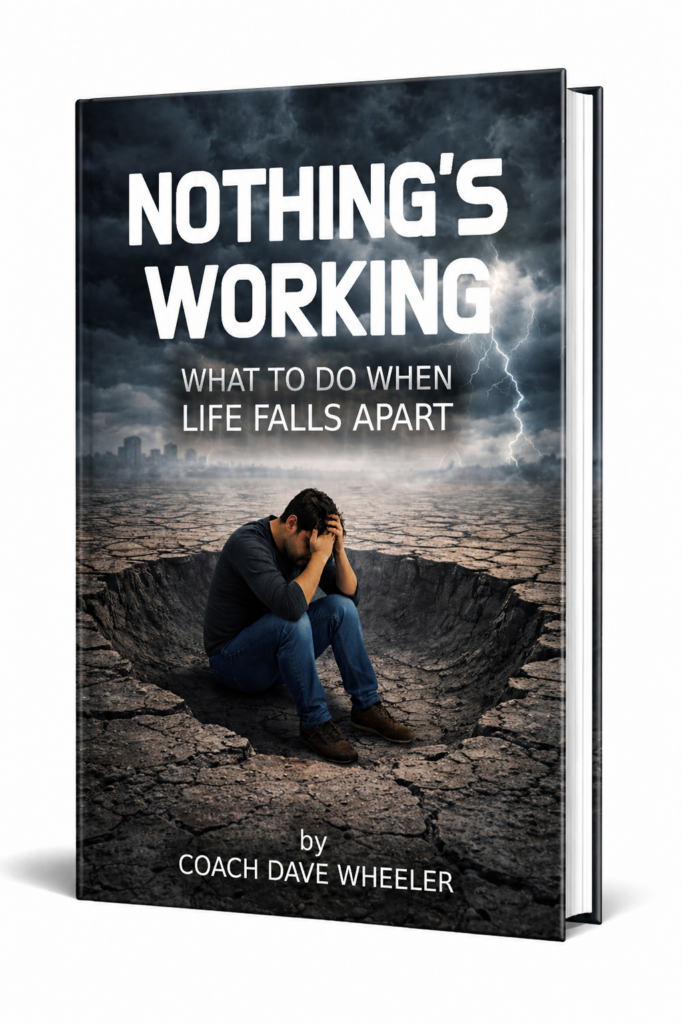
Laid off?  Find out What to do by downloading the Hard Season Survival Guide

Nothing’s Working: What to Do When Life Falls Apart

walks step-by-step through how to navigate difficult transitions like layoffs, career disruption, burnout, and major life change — using practical tools to stabilize, regain direction, and build strength.

If you want early access to many of the concepts in the book, along with a free toolkit to help you right now, download:

The Hard Season Survival Guide (Free PDF)
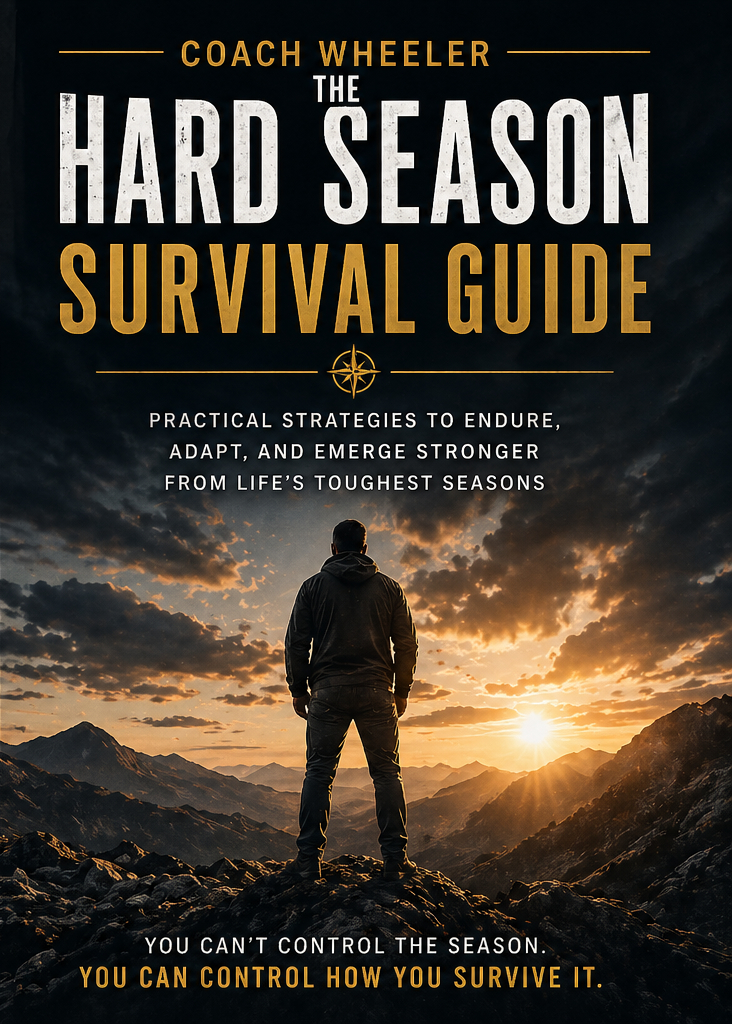
Laid off?  Find out What to do by downloading the Hard Season Survival Guide

Inside you’ll get:

  • The 5-Minute Reset Protocol
  • The STAND Method Quick Guide
  • Decision checklist for major life changes
  • Daily recovery routine
  • Clarity questions
  • Action planning worksheet

Sign up for the Download link here → The Hard Season Survival Guide


Your Next Move

You don’t need all the answers today.

You need the next step.

Stabilize.
Tell the truth.
Adjust the story.
Navigate forward.
Deliver value.

Hard seasons don’t end careers.

They often redirect them.

Let’s roll.
— Coach Wheeler
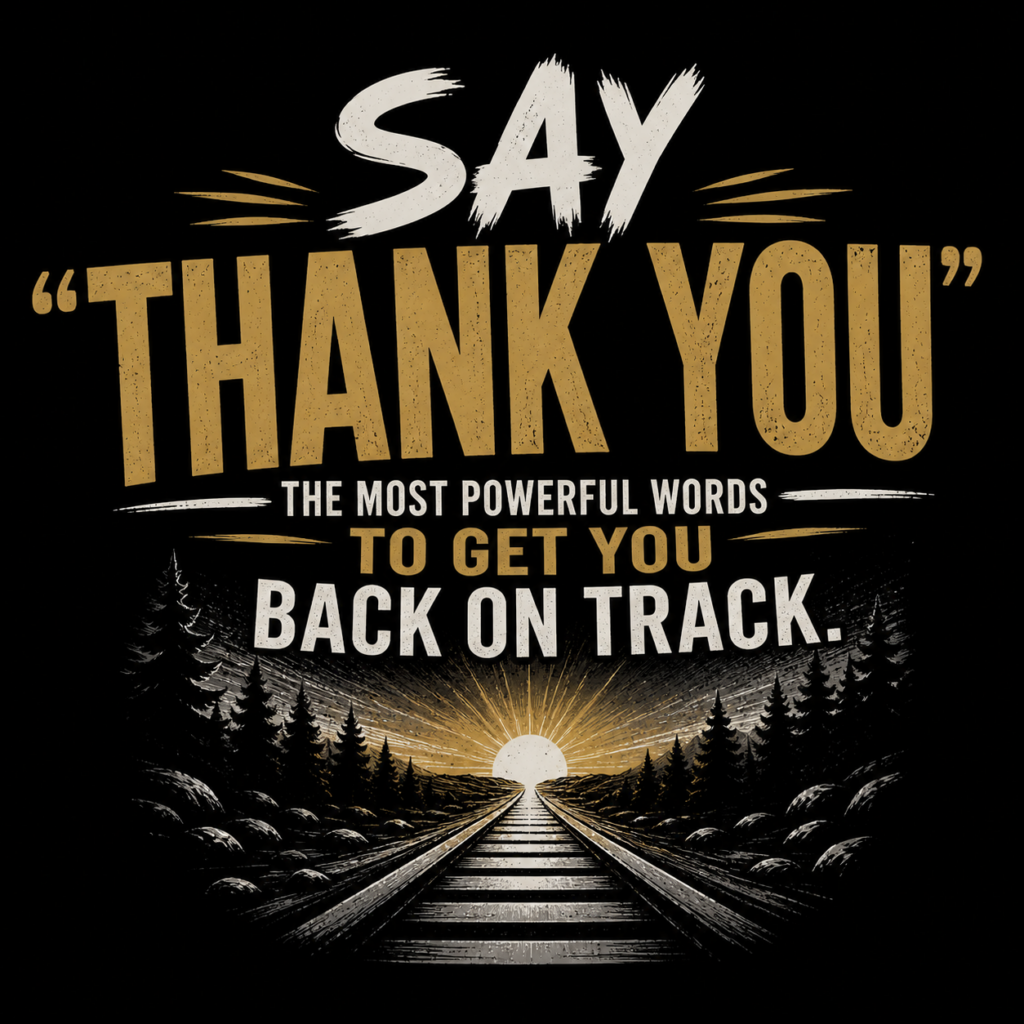
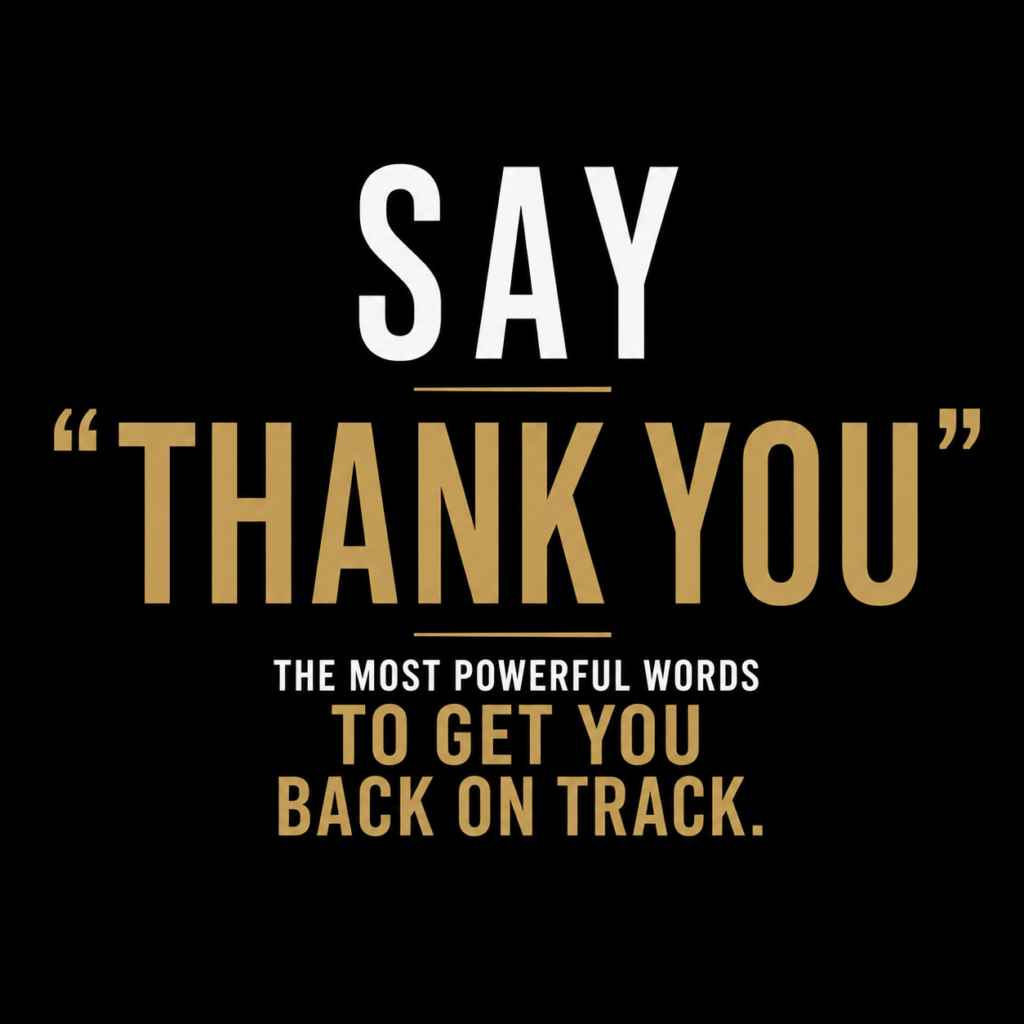
Say “Thank You”: The 2 Words To Reset Your Mindset The Fastest

Say Thank You!

There’s a moment—maybe you’ve felt it—when everything tightens.

The email hits.
The conversation turns.
The plan falls apart.

And the default reactions show up on cue: fight, flight, freeze.

Push harder. Avoid it. Shut down.

Different moves. Same result: stuck.

Now here’s the part that sounds almost too simple:

Say “thank you.”

Not because everything is good.
Not because you like what just happened.

But because those two words can shift your state, restore your control, and point you forward faster than anything else.

Let’s break down why.


XPLAIN: Why “Thank You” Works

1) It flips your locus of control

When something goes wrong, it feels external:

  • They did this.
  • The market did that.
  • Life just hit you out of nowhere.

And a lot of it is external. But your response isn’t.

“Thank you” is a quiet declaration:

I don’t control what just happened. I do control what I do next.

That shift—from outside to inside—matters more than any tactic.

Because agency is the gateway to action.


2) It accepts reality (without surrendering to it)

Most people waste energy arguing with what already happened:

  • “This shouldn’t be happening.”
  • “This isn’t fair.”
  • “This can’t be right.”

That fight burns time and focus.

“Thank you” ends the argument.

Not as agreement—but as acceptance of reality as it is.

You can’t change what you won’t accept.

Acceptance isn’t giving up. It’s getting clear.

And clarity is what allows you to move.


3) It interrupts the stress loop

Under pressure, your brain narrows:

  • Threat detection goes up
  • Creativity goes down
  • Options disappear

That’s the fight/flight/freeze loop.

“Thank you” acts like a pattern interrupt.

It forces a different response—one your brain isn’t expecting—creating just enough space to choose again.

Space → choice → better action.


4) It turns information into fuel

Bad news carries data:

  • What’s not working
  • Where the gap is
  • What needs to change

But if you react emotionally, you miss the lesson.

“Thank you” reframes the moment:

This is information I can use.

Even if it stings.

Especially if it stings.


5) It strengthens relationships (when it matters most)

When someone brings you bad news, they’re taking a risk.

If your response is defensive, dismissive, or emotional, you teach them:

“Don’t bring me problems.”

If your response is:

“Thank you for telling me.”

You teach them:

“Bring me the truth.”

And truth is what leaders, teammates, and families actually need.


XAMPLE: What It Looks Like in Real Life

Scenario 1: The message you didn’t want

“We’ve decided to go in a different direction.”

Pause.

Your instinct: argue, justify, react.

Instead:

“Thank you for letting me know.”

Now you’re grounded. You can ask better questions. You can move.


Scenario 2: The feedback that hits

“You’re not meeting the standard.”

Instinct: defend.

Instead:

“Thank you. Can you show me where I’m missing it?”

Now you’re learning instead of protecting your ego.


Scenario 3: The plan that fails

You put in the work. Results don’t show.

Instinct: frustration, blame, spiral.

Instead:

“Thank you. What is this showing me?”

Now you’re extracting insight.


Scenario 4: The personal hit

“It’s not you… it’s me.”

Instinct: collapse or chase.

Instead (even if only internally at first):

“Thank you.”

Not for the pain.

For the clarity.


XCHANGE: How to Use It (Right Now)

This is where it becomes yours.

Step 1: Catch the moment

When something goes sideways—big or small—notice the reaction rising.
That’s your cue.


Step 2: Say the words

Out loud if you can. In your head if you need to.

“Thank you.”

No explanation. No add-on.
Just the words.


Step 3: Ask a better question

Now that you’ve interrupted the loop, move to:

  • What’s true here?
  • What can I learn?
  • What’s my next step?

Step 4: Take the next step

Not the perfect step.
The next one.


Where This Fits:
When Nothing’s Working → S.T.A.N.D.

When nothing’s working, people try to fix everything at once.
That’s where it breaks.

“Thank you” is how you enter the STAND process.

  • S — Stabilize
    “Thank you.” (pattern interrupt). There’s more in Coach Wheeler’s book, “Nothing’s Working”, or his Hard Season Survival Guide ebook (see below for a link to the free download).
  • T — Tell the Truth
    What are the facts of your situation? Look at it from all angles and recognize the Truth that you need to face.
  • A — Adjust the Story (this is your turning point)
    What does this mean now? How can the story be interpreted in a way that gives you more control? More options?
  • N — Navigate
    What’s the next step? You have options. What are they?
  • D — Deliver
    Create value from it. Once you start moving, you will see opportunities. Make the most of them… for you and those around you.

Two words… Get Going. Open the entire system and get on with creating your future.


The Misunderstanding
(Let’s Clear This Up)

Saying “Thank you” does not mean:

  • You approve of what happened
  • You’re passive
  • You’re ignoring the problem

It means:

You’re done fighting reality—and ready to move.


The Edge Most People Miss

Gratitude is often framed as a feeling.
That’s too slow.

Under pressure, you don’t wait to feel grateful.
You use the words first.
The state follows.


Say Thank You and get back in the game!

Bottom Line

When everything is working, you don’t need a reset protocol.
When nothing’s working, you do.

And the fastest reset you have is this:

Say “thank you.”

Then:

  • get clear
  • get grounded
  • get moving

When nothing’s working, you don’t need more pressure…
You need something you can actually use in the moment.

The next time something goes sideways today—

Simply say . . . “Thank You.”

Then take your next step.

****************************************************

Download the Hard Season Survival Guide—a simple, practical tool designed to help you stabilize, reset, and take your next step when life hits hard.

Inside, you’ll get:

  • A clear way to regain control under pressure
  • Simple frameworks you can use immediately
  • Real-world strategies to move forward when you feel stuck

👉 Grab your free copy now and start building your way out—one step at a time.

****************************************************

Thanks for spending a few minutes here. If something in this resonated—or if you’ve tried saying “Thank you” in a tough moment—I’d like to hear how it went. Drop a comment below and share your experience, your takeaway, or even the situation you’re working through. Your perspective might be exactly what someone else needs to see today.