The Way of Winning: Identity First (Why You Don’t Rise to Your Goals)

Most people try to change their life by changing their actions.

Things like …

  • Workout plans.
  • Content schedules.
  • New goals.
  • New systems.

And it works… for a few days.

Then something breaks.

Not because the plan was wrong.

Because the identity never changed.


Xplain: Life Follows Identity

Here’s the truth most people miss:

You don’t rise to your goals.

You fall back to your identity.

If you see yourself as inconsistent… you’ll find a way to stop.
If you see yourself as “getting older”… you’ll slow down.
If you see yourself as “still figuring it out”… you’ll hesitate.

But if you see yourself as disciplined, focused, and dangerous in your pursuit?

Everything starts to organize around that.


The Olympic Thought Experiment

Let’s go back to the scenario.

You wake up tomorrow:

  • Out of shape
  • Slower
  • Softer
  • Off track

But in your mind…

You are still an elite-level athlete.

What happens?

You don’t panic.
You don’t scroll for a new program.
You don’t wait for motivation.

You train.

You clean up your nutrition.
You structure your day.
You eliminate distractions.

Not because you’re “trying to get back.”

Because that’s who you are.

That’s the difference.


Xample: The Silent Battle You’re Losing

Most people are fighting the wrong battle.

They’re trying to force behavior that doesn’t match their identity.

  • “I should work out” (but I don’t really see myself as an athlete)
  • “I should write more” (but I don’t really see myself as a writer)
  • “I should be more disciplined” (but I’ve always been inconsistent)

So every action feels heavy.

Every decision becomes a negotiation.

And negotiations drain energy.

Winners don’t negotiate with themselves all day.

They act in alignment with who they’ve decided to be.


The Edit That Changes Everything

There’s a concept I love:

Edit your life.

Not your intentions.
Not your goals.

Your life.

That means every day, every action runs through one filter:

Does this move me closer to who I am?

Not who you want to be.

Who you’ve already decided you are.

And once that’s clear, things get simple.

  • Junk input becomes obvious
  • Time-wasting disappears
  • Weak choices feel off
  • Strong choices feel automatic

You don’t need more discipline.

You need clarity and alignment.


Xchange: The Identity Build System

Let’s make this real.

Here’s how you change identity in a way that actually sticks.


1. Decide Who You Are (Not Who You Hope to Be)

No soft language.

No “I’m trying to…”

You decide.

  • I am an endurance athlete training for an Ironman
  • I am a coach building a winning culture
  • I am a creator who publishes consistently
  • I am a disciplined operator

It should feel slightly uncomfortable.

That’s how you know it matters.


2. Set the Standard

Goals are optional.

Standards are not.

What does this person always do?

  • Trains on schedule
  • Fuels like a performer
  • Shows up early
  • Executes daily work
  • Tracks progress

Write these down.

These are your non-negotiables.


3. Remove What Doesn’t Fit

This is where most people fail.

They try to add new habits…

…without removing the old ones.

You can’t build a high-performance life on top of low-performance behaviors.

So cut:

  • Time leaks
  • Energy drains
  • Distractions
  • Weak environments
  • People or patterns that pull you off track

Editing is not optional.

It’s required.


4. Act Like That Person—Immediately

Not next week.
Not when you “feel ready.”

Now.

What would that version of you do today?

Do that.

Even if it’s small.

Especially if it’s small.

Because action creates evidence.

And evidence builds belief.


5. Stack Proof Daily

Identity is built through repetition.

Every action is a vote.

  • One workout = athlete
  • One post = creator
  • One disciplined decision = operator

You don’t need perfection.

You need consistency.

Stack enough proof… and doubt disappears.


The Real Advantage

Here’s where it gets interesting.

When your identity is strong…

You don’t fall apart when things go wrong.

You recover faster.

Because instead of saying:

“I blew it.”

You say:

“That’s not who I am.”

And you correct.

Immediately.


The Way of Winning

Winning doesn’t come from motivation.

It comes from identity.

You decide who you are.

You set the standard.

You remove what doesn’t belong.

You act in alignment.

You stack proof.

And over time…

There’s no gap left between who you are
and how you live.

Final Thought

You’re not as far away as you think.

The version of you that can do this…

already exists.

You don’t need to build them.

You need to step into them.

Then prove it.

How to GET Better Next Time

Get Better Next Time #GetBNT
Want a T-shirt with this logo?
Visit Coach Wheeler’s Shop

The most important list a coach can make.

Every season ends the same way for almost every team.

You either lose your last game… or you’re the one team cutting down the nets.

Either way, the locker room eventually goes quiet. The gym lights turn off. The season is over.

And that’s when the most important work of coaching begins.

Not recruiting.
Not new plays.
Not the summer schedule.

Reflection.

Some coaches avoid it. They move on quickly. They blame the officials, the injuries, the parents, the players, or the administration.

But the best coaches I’ve known do something very different.

They sit down and make a simple list:

Things I’ll Do Better Next Time.

Not things the players should do better.

Not things the parents should understand.

Things I will do better.

Because the truth is simple and uncomfortable:

The program is the coach.

If something isn’t working, the coach has to adjust first.


The Two Lists Every Coach Should Make

When I reflect on a season, I like to start with two columns.

  1. Keep
  2. Improve

The “Keep” column matters because we often forget what actually worked. A season might feel frustrating, but buried inside it are things worth building on.

Maybe your conditioning program worked.

Maybe your offense created good shots.

Maybe your players developed toughness.

Those things belong in the Keep column.

But the real growth happens in the Improve column.

This is where honesty lives.


Coaching Is a Learning Profession

Coaches love to talk about player development.

We track shooting percentages, rebounds, assists, turnovers, speed, strength, conditioning.

But how often do we track our own development as coaches?

Every season teaches lessons.

Sometimes those lessons are painful.

A missed opportunity.
A communication breakdown.
A system that players never fully understood.
A culture that didn’t grow the way we hoped.

The temptation is to move past it quickly.

The better choice is to study it.


Start With the Questions

If you want your “Next Season” list to be useful, start by asking better questions.

For example:

  • Did my players truly understand how we wanted to play?
  • Did our practices build the habits we expected in games?
  • Did players feel heard when they had concerns?
  • Did parents understand the direction of the program?
  • Did we spend practice time on the things that mattered most?

These questions are not about blame.

They are about clarity.

Because clarity leads to better coaching.


The Danger of Coaching on Autopilot

One of the biggest traps in coaching is running the same season over and over again.

Same drills.
Same approach.
Same mistakes.

Years go by, but nothing really improves.

The best coaches I’ve studied treat each season like an experiment.

They test ideas.

They refine systems.

They adjust communication.

They evolve.

And at the end of the season they ask:

What worked? What didn’t? What will I do differently next year?


The Power of Small Improvements

The interesting thing about these lists is that they rarely contain dramatic changes.

Usually they look something like this:

  • Communicate expectations earlier.
  • Write out practice plans more clearly.
  • Build in more end-of-game situations.
  • Give managers more responsibility.
  • Add a mental training component.
  • Ask players for feedback more often.

None of these ideas are revolutionary.

But together, they can transform a program.

Because improvement in coaching is rarely about one big change.

It’s about twenty small ones.


Coaching Is Leadership

Players are watching everything.

How you handle wins.
How you handle losses.
How you handle criticism.
How you respond when things go wrong.

When a coach takes responsibility and says:

“Here are the things I’ll do better next season.”

Players notice.

It sends a powerful message:

Improvement isn’t just expected from athletes.

It’s expected from everyone.


The Hidden Benefit of Reflection

There’s another reason this exercise matters.

Closure.

Every season carries emotion.

Frustration.
Pride.
Regret.
Moments you wish you could replay.

Writing down the lessons helps you process all of it.

It turns experience into knowledge.

And knowledge into progress.


Your Turn

If you’re a coach, here’s a challenge.
Take 15 minutes this week.

Grab a notebook and write the title:

“Things I’ll Do Better Next Season.”

Then make two lists.

1) Keep
2) Improve

Be honest.
Be specific.
Be constructive.

You might be surprised by what you discover.
Because every season—good or bad—is trying to teach you something.
And the coaches who keep getting better are the ones who stop long enough to listen.

Get Better Next Time #GetBNT
Want a T-shirt with this logo?
Visit Coach Wheeler’s Shop

The season may be over.

But the next one has already started.

The question is simple:

What will you do better next time?
Are you going to “Control The Controllables“?

Greatness On Demand (G.O.D.): The Mindset That Wins in Pressure Moments

And, guess what, the “Moment” Doesn’t Care If You’re Ready

There’s a moment in every game, every meeting, every life.

The score is tight. The clock is low. The pressure is real.

And nobody asks:

“Hey… are you feeling confident today?”

No.

The moment arrives anyway.

And in that instant, there are only two types of people:

  • Those who hope they’ll be ready
  • Those who have trained for Greatness On Demand

What Is G.O.D.?

G.O.D. = Greatness On Demand

Is your Greatness On Demand?
Do you have Greatness On Demand?

It’s not talent.
It’s not hype.
It’s not a lucky streak.

It’s the ability to access your best—on command—when it matters most.

Not someday.
Not when you feel like it.
Not when conditions are perfect.

Right now. Under pressure. With everything on the line.


The Lie Most People Believe

Most people believe in what I call “Someday Greatness.”

  • “I’ll be great when I’m ready.”
  • “I’ll perform when I feel confident.”
  • “I’ll step up when the time is right.”

That’s a fantasy.

Because the truth is:

The moment doesn’t wait for your confidence.

It demands your performance.

O.M.G. [Own My Greatness] moments

You’ve felt them.

OMG... Owning My Greatness!
OMG… Owning My Greatness!
  • Game-winning free throws
  • Final possession
  • Big presentation
  • Opportunity that shows up unexpectedly

That’s an OMG moment.

Everything speeds up.
Your heart jumps.
Your brain starts talking.

And most people… hesitate.


The Shift

Winners don’t panic at OMG moments.

They recognize them.

They’ve seen them before.

They’ve trained for them.

So instead of fear, they think:

“This is it.”

And then they activate:

G.O.D. – Greatness On Demand


The Sequence of a Winner

There’s a pattern here if you look closely:

OMG — The moment appears
GOD — You deliver
WOW — The world reacts

That’s the cycle of greatness.


How Do You Build G.O.D.?

Greatness On Demand isn’t magic.

It’s trained.

Here’s how.


1. You Stop Negotiating With Yourself

Most people hesitate.

Winners decide faster.

They don’t ask:

  • “Should I go hard today?”
  • “Do I feel like it?”

They move.

Action creates traction.


2. You Practice Under Pressure

Easy reps don’t prepare you.

You need:

  • time pressure
  • fatigue
  • consequences

Because when your body is tired…

your habits take over.


3. You Build Default Behaviors

When things get intense, you don’t rise to the level of your goals…

You fall to the level of your systems.

G.O.D. people build systems like:

  • sprint back on defense
  • shoot with confidence
  • speak clearly under pressure
  • act immediately

4. You Learn to Love the Moment

Most people fear pressure.

Winners recognize it.

They think:

“This is where I separate myself.”


A Simple Test

Ask yourself:

When the moment comes… do you want it?

Or do you avoid it?

Because G.O.D. isn’t just about ability.

It’s about ownership.


What G.O.D. Looks Like in Real Life

  • The player smiling at the free throw line
  • The entrepreneur hitting “publish” before it’s perfect
  • The coach making the bold call
  • The speaker stepping forward instead of shrinking back

No hesitation.

No delay.

Just:

Go.


Why This Concept Hits Different

Because deep down, everyone knows:

They’ve had moments…
…and didn’t step into them.

That feeling sticks.

G.O.D. is the opposite of that.

It’s the identity of someone who says:

“Next time… I’m ready.”


The Shirt Isn’t Just a Shirt

When you see it:

It’s not decoration.

It’s a reminder.

A signal.

A standard.

To yourself… and to everyone around you.

Imagine This

You walk into the gym.

Black shirt. Bold letters: G.O.D.

No explanation needed. Someone reads it. They get it instantly.

They know:

This person came to perform.

And When You Walk Away…

They see the back.

Now it’s not just a shirt.

It’s a system.

Final Thought

You don’t get to choose when the moment comes.

But you do get to choose how you prepare.

So the real question is:

When your next OMG moment hits…

will you hope you’re ready?

Or will you deliver

Greatness On Demand?

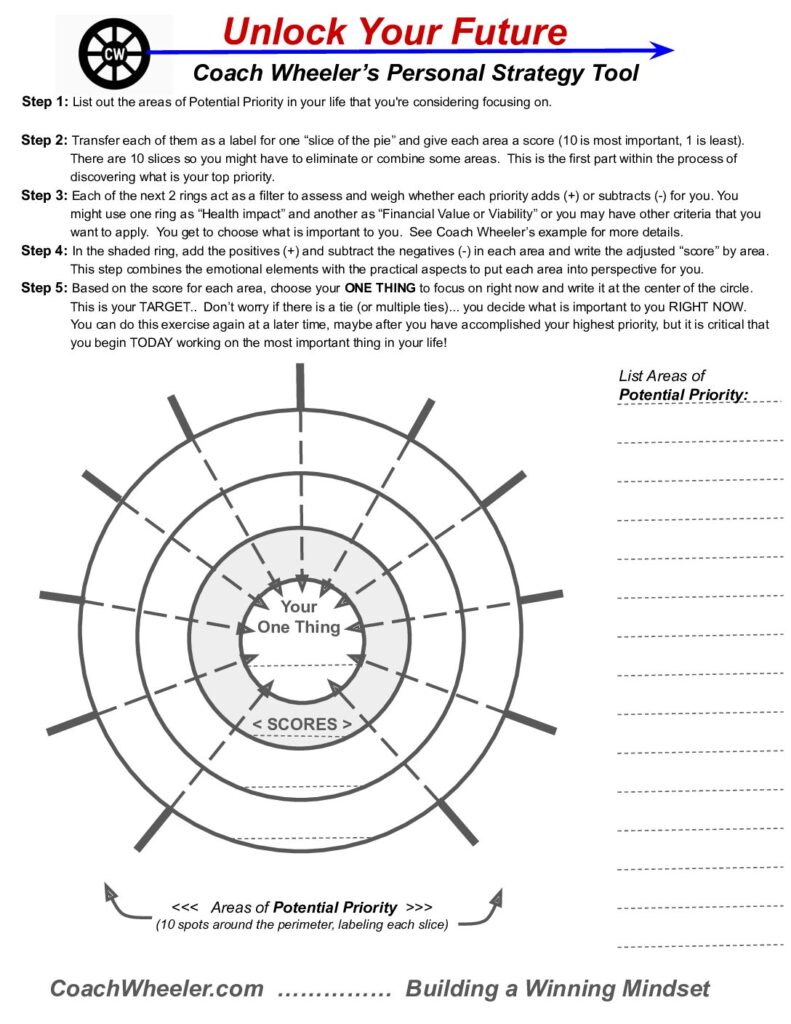
Unlock Your Future: Introducing The Priority Wheel

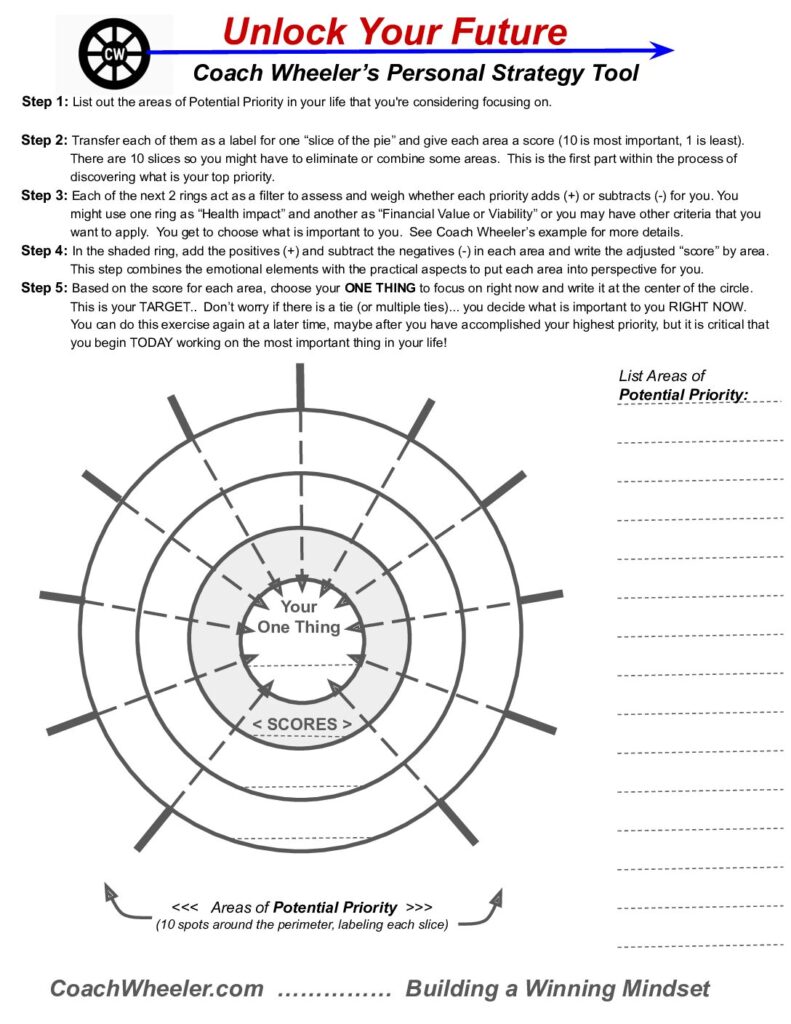
Coach Wheeler’s Personal Strategy Tool

Priority Wheel worksheet

Imagine waking up every day knowing exactly what you should focus on. No endless to-do lists. No paralyzing indecision. Just clarity, energy, and progress. That’s the power of unlocking your future — and it all starts with a simple, profound tool designed by Coach Wheeler. Today, you’re invited to discover the tool that could change the trajectory of your life:
The Priority Wheel.


The Problem:
Too Many Options, Too Little Focus

In a world overflowing with opportunities, distractions, and demands, it’s easy to feel overwhelmed.
Should you focus on your career? Your health? Building your brand? Deepening your relationships?

Coach Wheeler likes to remind us:

“You can have anything… but you can’t have everything.”

Real success starts when you stop trying to do it all and choose your one true priority — the thing that unlocks the best version of yourself.

That’s where the Unlock Your Future Priority Wheel comes in.


Introducing the Priority Wheel:
A Strategic Map for Your Life

The Priority Wheel worksheet can help you narrow down your priorities, improve your focus and effectiveness as part of your winning mindset

At first glance, the Priority Wheel looks like a simple circle divided into slices, but look deeper — it’s a powerful diagnostic tool for personal clarity and strategic action.

Here’s how it works:

Step 1: List Your Potential Priorities

Start by brainstorming the key areas you are considering focusing on. Think big: career moves, health transformations, creative pursuits, family commitments — whatever feels alive to you.

There’s space for up to 10 priorities around the perimeter of the wheel. You might have to eliminate or combine a few ideas to fit, and that’s part of the sharpening process.

Step 2: Score Each Area

For each slice, give a score from 1 to 10 based on how important it feels right now — 10 being absolutely critical, 1 being low importance.

This is your first emotional gut-check.

Step 3: Filter Through Key Factors

Now the strategy deepens. Around each slice, you’ll find two additional rings.
These rings are filters that you can customize, such as:

  • Health Impact (Does this improve or diminish my physical and emotional well-being?)
  • Financial Value or Viability (Can this support my lifestyle or future?)

Or you might choose other criteria that matter deeply to you, such as Impact, Joy, or Long-Term Growth.
Mark a plus (+) for positive impact and a minus (-) for negative in each area.

Step 4: Adjust the Scores

Add the pluses and subtract the minuses for each slice to get an adjusted score.
This step blends your emotional desires with practical realities — giving you a more grounded picture.

Step 5: Choose Your ONE THING

At the center of the wheel is a space for your ultimate target: Your One Thing.
It’s the area where your passion, your health, and your future meet.

Even if there’s a tie, it’s your call. The point is not perfection. The point is progress.
You get to choose what matters most to you — right now.

“Today’s decision shapes tomorrow’s destiny.” – Coach Wheeler


Coach Wheeler’s Example:
Seeing The Priority Wheel in Action

In this downloadable PDF, Coach Wheeler also shares a sample Priority Wheel from his own life, filled with real-world potential focuses like:

  • Basketball Coaching
  • Blog/Podcast/Speaking
  • Family and Friends
  • Restoring a classic car
  • Business Ownership
  • Health and Fitness

Each area is scored, filtered, and prioritized — showing you exactly how the process can be adapted to your own unique dreams and challenges.

Sometimes, seeing it done is all it takes to spark your own breakthroughs.


Download Your Free Worksheet: Build Your Winning Mindset

Ready to get started?

👉 Download the Unlock Your Future: Priority Wheel Worksheet

You’ll get:

  • A printable Priority Wheel
  • Simple step-by-step instructions
  • Space to list, score, filter, and select your One Thing

Final Thought: Clarity is Power

Coach Wheeler

When you know your One Thing, your energy sharpens.
Your choices simplify.
Your days feel lighter, faster, more exhilarating.

The people who unlock their future are the ones willing to make a choice today — not someday.

So… what’s your One Thing?

And when will you start pursuing it with everything you’ve got?

“There will never be a perfect time. There will only be NOW!”
– Coach Wheeler

Make today the day you unlock your future.

Wheeler Hole Theory

Digging Your Way to Success by Building Your Mountain

Ask me about Wheeler Hole Thedory

At the heart of personal development and peak performance lies a simple but powerful truth—success is built from the ground up, often from a place of struggle. This article introduces the Wheeler Hole Theory, a metaphorical framework developed by Coach Wheeler to illustrate how overcoming challenges and pushing through obstacles is directly tied to the heights you will eventually reach. Just as you dig through your personal hole to lay a foundation, every effort, every challenge you overcome, contributes to building your mountain of success.

What sets this theory apart is the idea that every shovelful of dirt you remove from your hole is added to the top of your mountain. The effort you put in to dig out of your current circumstances doesn’t disappear; it elevates you, adding directly to the foundation of your success. The deeper you dig, the taller your mountain becomes. Each step, each moment of preparation, builds toward the summit of your achievements.

The Hole You Dig

In Wheeler’s theory, your “hole” serves as the starting point—where you are right now, facing your current limitations, doubts, or lack of skills. It’s the beginning of your journey, a place where you may feel stuck or even buried under the weight of challenges ahead. The good news is that you are standing on the ground that will make your mountain of success even higher. It’s probably the only time you will start at the top… of your hole… as you dig your way to success.

“The man who moves a mountain begins by carrying away small stones.” – Confucius

What Determines the Depth of Your Hole?

Your hole represents everything that currently holds you back:

  • The skills you haven’t mastered.
  • The knowledge you haven’t acquired.
  • The obstacles or mental blocks that hinder progress.
  • Basically, everything that you need to overcome to become a success, no matter how you might define it.

Here’s the catch: everyone has a hole to dig out of, no matter how successful they seem. Even the most accomplished individuals started from a point of struggle, a place where they had to put in the effort to climb out.

This is where Wheeler’s idea shines: every effort you make to dig out of your hole doesn’t go to waste. Instead of simply removing dirt, you’re adding it to the top of your mountain—your ultimate achievement.

The Effort of Digging:
Boulders or Breakthroughs?

As you dig, it’s not always going to be easy. You’re bound to encounter boulders—major obstacles that feel immovable at times. These boulders might be skill gaps, self-doubt, or external challenges like lack of resources or time. But instead of viewing them as impediments, Wheeler Hole Theory challenges you to see these boulders as breakthroughs in disguise.

The more you dig, the stronger you get. As you move the dirt and face the boulders, you also build your mountain of success. Every ounce of effort adds to the summit you’re creating. The deeper you dig, the higher your mountain grows. The more resistance you face, the more preparation you amass to climb higher than you ever thought possible.

Grow your grit by applying the Wheeler Hole Theory

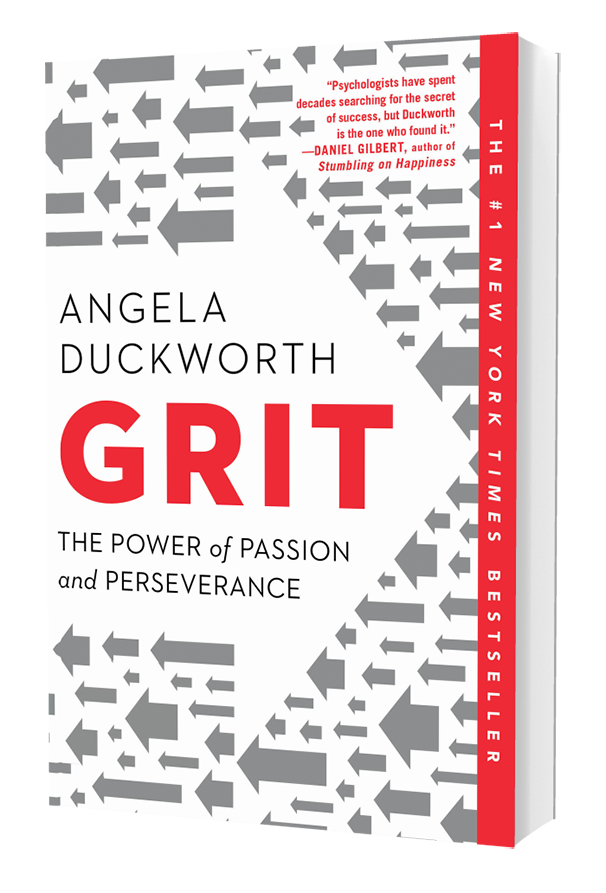
In essence, the tougher the dig, the taller your mountain. When you encounter a seemingly immovable boulder, that’s your opportunity to uncover new strengths, develop new skills, and reveal talents buried beneath the surface. Author Angela Duckworth calls this quality “GRIT” (check out her book… it has some inspirational ideas for you too.)

Unearthing Hidden Talents

Digging through your hole isn’t just about getting rid of what’s in your way. It’s also about discovering new strengths and uncovering hidden potential. Many of the talents you never realized you had may be buried beneath the surface, waiting to be unearthed. And just like the soil you dig up, these talents don’t disappear—they are what help you build your mountain.

This shift in perspective is crucial. Rather than seeing the digging as pointless or overwhelming, you start to realize that every obstacle is a chance to improve. Every shovelful of dirt you remove not only frees you from your limitations but also raises the height of your mountain, bringing you closer to your goals.

The Connection Between
Effort and Elevation

Wheeler Hole Theory introduces you to a profound concept: the effort of digging out of your hole is directly connected to how high you’ll eventually climb. Every step forward in preparation, every skill you build, every mental block you overcome adds to the mountain you’re building beneath your feet.

Your success isn’t just a result of what you do when you reach the surface—it’s built on the accumulation of all the effort you put in during the climb out of your hole. This metaphor reinforces the idea that nothing is wasted. The harder you dig, the higher you go.

Champions Find a Way to Keep Digging

Wheeler’s theory also emphasizes that most people give up too soon. They may dig for a while, face a particularly tough boulder, and then stop—thinking that it’s not worth the effort. But here’s the key: champions keep digging, even when it feels like they’re getting nowhere. They understand that every moment spent moving dirt, chipping away at obstacles, is building the foundation for their eventual success.

There are countless examples of this in real life. Think of athletes like Serena Williams or Michael Jordan. Their success wasn’t a result of one massive effort but rather a collection of daily struggles and victories. Every practice, every missed shot, every setback became a part of the mountain they climbed to reach greatness.

“Effort only fully releases its reward after a person refuses to quit.”Napoleon Hill, author of Think and Grow Rich

Navigating Challenges:
Quitting Doesn’t Mean Failing

Even when the digging gets tough, it’s important to understand that taking a break isn’t the same as quitting. Wheeler’s theory teaches us that knowing when to step back and rest is critical. Champions take strategic breaks, not to abandon their goals but to come back stronger, refreshed, and with new insight into how to keep moving forward.

The ability to pause, reflect, and return with greater energy is what separates those who succeed from those who give up. As the saying goes, “Rest if you must, but don’t quit.” You can return to the hole the next day with renewed strength, ready to dig deeper and continue adding to the top of your mountain.

Building Your Mountain of Success

As you continue to dig out of your hole, you’re simultaneously building something grander—a mountain of success that grows with every bit of dirt you remove. This mountain is built on preparation, perseverance, and effort.

Your Mountain Reflects Your Journey

The mountain you build isn’t just a symbol of success; it’s a reflection of your journey. It represents every lesson learned, every skill acquired, and every moment of mental toughness. And as you climb higher, you’ll look back and see just how far you’ve come.

The height of your mountain is determined by how much effort you’re willing to put in. The more shovelfuls you remove from your hole, the greater the heights you’ll reach. This concept not only motivates us to keep going but also reframes our perspective on challenges. Every obstacle is an opportunity to build our mountain higher.

Preparation Leads to Elevation

Success doesn’t happen overnight, and there are no shortcuts to the top of your mountain. Wheeler Hole Theory reminds us that success is earned, not granted, and it’s earned through the act of preparation. The digging you do today—no matter how difficult—lays the groundwork for the heights you’ll achieve tomorrow.

Each shovelful of dirt is an investment in your future, adding to the mountain you’ll one day stand upon. As you continue to dig, remember that your efforts are not wasted. They are elevating you, building something incredible with every step forward.


Remember:
Digging and Building Are One Process

I am diggin it... Wheeler Hole Theory

The Wheeler Hole Theory provides a simple yet profound framework for understanding success. It teaches us that every bit of effort we put into overcoming our current limitations directly contributes to the success we’ll achieve in the future. Digging out of our hole isn’t just about breaking free from our struggles—it’s about building the mountain of success we’ll one day stand on.

So as you reflect on your own journey, ask yourself: Are you willing to dig deep enough? Are you prepared to face the boulders, knowing that each obstacle moves you higher? Every shovelful you dig from your hole adds to the top of your mountain. Keep going, and soon enough, you’ll reach the summit.

Need more inspiration before you start applying the Wheeler Hole Theory in your life? Check out Coach Wheeler’s article titled, Embrace The Grind.

How to Control Your Mind …

for Fun and Profit

Controlling your mind isn’t about turning off your thoughts or trying to be some emotionless monk on a mountain.
It’s about direction.
It’s about choosing what you allow in, what you give energy to, and what you rehearse day after day—because all of those things quietly shape your beliefs, your behavior, and your outcomes.

When you learn to control your mind, the impact isn’t just personal—it’s strategic. It leads to greater focus, better results, less stress, and more joy. It’s fun. And yes, it can be wildly profitable.

Here’s how it works, one key principle at a time.


1. What You Focus On Increases

Control Your Mind with your focus

Your attention is a spotlight—and whatever you shine it on gets bigger.

If you focus on your limitations, they start to feel like walls.
If you focus on opportunities, they begin to multiply.
If you constantly think about what you don’t want to happen, your brain starts preparing for it as if it’s inevitable.

This isn’t just positive thinking—it’s how your brain is wired.
Your Reticular Activating System (RAS) filters incoming data and prioritizes what aligns with your dominant thoughts. It scans the world looking for reinforcement—proof that your focus is correct.

Think about that. If you’re focused on failure, your brain will notice all the reasons something won’t work. But if you shift your attention to progress, your mind will start looking for ways forward.

That’s why people who expect the best often seem “lucky.” Their focus filters out the noise and locks onto the next step. It’s not magic—it’s mental management.

So if you want to control your mind?
Start by asking: What am I focusing on right now?
Because that’s what you’re growing.


2. You Can Replace the Picture in Your Mind

Let’s go a layer deeper.

Your mind doesn’t think in long paragraphs. It thinks in pictures.

Say the words: “Don’t think of an elephant.”
Instantly, a big gray animal appears in your mind’s eye—because your brain grabs the subject, not the command. “Don’t” gets ignored.
Now say, “Imagine a blue monkey dancing on a basketball court.”
Boom. New picture.

This isn’t just fun—it’s functional.

If the image in your mind is fear, failure, or embarrassment, your body responds as if it’s happening. Your breath changes. Your muscles tighten. Your mood shifts.

But you can change the picture.

And when you do, you shift your state.

This is one of the most powerful tools in mental framing: learning to interrupt the automatic images that don’t serve you and intentionally replace them with ones that do.

Got a big presentation?
Instead of picturing disaster, visualize connection, impact, and calm confidence.

Worried about making a mistake?
Picture yourself learning quickly, adjusting, and winning the next round.

The goal isn’t to “never feel fear.” The goal is to not dwell on it. To move your mind from fear to focus. From problem to possibility.

And it starts by changing the picture.


3. You’ve Got to Know What You Want

You can’t aim at a target you haven’t defined.

Clarity doesn’t just feel good—it directs your mind. If you want your internal GPS (a.k.a. your RAS) to work for you, you have to program the destination.

What do you want to create?
What kind of person do you want to become?
What specific outcomes do you want in your career, your relationships, your health, your finances?

If you don’t decide, the world will decide for you. And that’s a dangerous gamble.

When you know what you want, your brain begins filtering the world differently. You’ll start noticing opportunities that were always there—but previously hidden in plain sight. You’ll begin meeting people who align with your goals, because your energy has shifted and your focus is clear.

Write it down. Speak it aloud. Picture it often.

The clearer the image of what you want, the more your brain goes to work on your behalf—connecting the dots and opening doors you didn’t even know existed.


4. Create the Vision of Your Future Self

This is where belief becomes behavior.

Once you’ve decided what you want, you need to start rehearsing it mentally. Why? Because your brain doesn’t fully distinguish between vividly imagined experiences and real ones.

That’s why elite athletes visualize the perfect performance before they compete. That’s why top performers in business rehearse a pitch before walking into the room.

Your mind becomes familiar with what you repeat.
And familiarity breeds confidence.

So imagine the version of you who has already achieved what you’re after. The confident you. The calm you. The clear and courageous you.

  • How do they handle conflict?
  • What do they do in the morning?
  • How do they speak?
  • How do they recover from setbacks?

The more you mentally rehearse that version, the more your actions start to align with it. You become it—one thought, one decision, one day at a time.

You’re not pretending. You’re training.


5. Repetition Is Power

Repetition wires the brain.

It’s how habits are formed. It’s how beliefs are reinforced. It’s how fears become phobias—and how champions build confidence.

If you’ve rehearsed a failure story for years, no wonder it feels real. But the exciting truth? You can write a new story. You can use the same power of repetition to build a mindset that lifts you.

Repeat your goals. Repeat your affirmations. Repeat your visualizations.
But also—repeat the actions that move you forward.

Even small wins, repeated often, begin to change your identity. You go from “someone who hopes” to “someone who does.”
You stop waiting for confidence and start building it, brick by brick.

Repetition makes it real.
And what you repeat, you become.


6. Mind Framing Is a Skill You Can Train

You are constantly framing your experiences—consciously or not.

When something goes wrong, do you see it as proof that you’re failing? Or as data for improvement?

When someone criticizes you, do you crumble—or do you see an opportunity to strengthen your resilience?

Framing is the story you tell yourself about what’s happening.
And stories shape reality.

The good news? You can practice new frames. You can train yourself to interpret challenges as fuel, not fire. To see delays as preparation, not punishment. To respond with curiosity instead of judgment.

This is the ultimate skill—because it gives you your power back. No one controls your interpretation but you.

Train your framing like a muscle.
Start small. Catch yourself mid-thought. Pivot. Practice.
Soon, your reflex will shift from “panic” to “possibility.”

And that’s when your mind becomes a true asset—not a liability.


Why Fun and Profit?

Because that’s what happens when the control of your mind becomes your ally instead of your enemy.

Fun comes from flow. From confidence. From knowing you can trust yourself under pressure. From not being derailed by every negative thought that pops up.

Profit—whether financial, emotional, or relational—comes from clarity and execution. You stop wasting energy on overthinking. You make faster decisions. You recover quicker. You show up better. You lead with purpose.

Controlling your mind is not about perfection—it’s about direction.

And when you point your thoughts toward what matters most?

You win more. Smile more. And yes… profit more.


One Last Thought:
It’s time to Reclaim the Wheel

Every day, your mind is being programmed.

By your thoughts.
By your habits.
By the people and media you surround yourself with.

The question is: Who’s doing the programming?

Is it you… or someone else?

If you don’t like the way your life looks, don’t start by changing the outside. Start with the pictures in your head. The stories you tell yourself. The focus you choose. The frame you give to each moment.

Control your mind—and you control your future.
Take the wheel and steer your life.

What’s your next step? How about a free downloadable worksheet with a 7 step process that leads you through changing the way you think and taking control of your mind? Download the PDF created by Coach Wheeler: Mind Control 101 worksheet — A simple, powerful tool to help you reprogram your thoughts and rewire your focus.

Why?

Because your mind is the operating system of your life. You need to control your mind.

And the upgrade?
That starts today.

Personal Mind Control

Let’s talk about Mind Control… specifically who controls your mind.

Because If You Don’t Have Control of your Mind, Someone Else Will

Personal Mind Control ... why you need to take control starting right now.

What if I told you your greatest battlefield isn’t out there in the world… but inside your own head?
What if the most important fight for your future isn’t with the economy, or your job, or even your relationships…
but with the thoughts you allow to set up camp in your mind?

Because here’s the truth:
If you don’t control your mind, someone else will.
And you can be sure—it won’t be in your favor.


How Does It Happen?

It’s subtle. Almost invisible. Like water shaping a stone drop by drop.

One suggestion here. One fear planted there. One “just trying to help” from someone who loves you… but never broke out of their own cage.

And before you know it, you’re living out a script that isn’t yours. A play written by someone else.
Parents. Teachers. Friends. Advertisers. Politicians. Even social media algorithms.

Not all of it is malicious. Most of it isn’t.

In fact, many of the people influencing your thoughts and decisions genuinely believe they’re helping you.
But even the most well-intentioned guidance can become a prison if it’s based on fear, limitation, or outdated beliefs.

Let’s look closer.


Your Parents Loved You …
. . . But They Weren’t Perfect

Nobody walks away from childhood without a few scars.

Even in the best homes—full of love, structure, and support—parents still pass along stories.
Stories that were passed to them, and to their parents before that.

  • “People like us don’t do things like that.”
  • “Money is hard to come by.”
  • “It’s better to play it safe.”
  • “You should be grateful and not want too much.”

Sound familiar?

These kinds of beliefs often masquerade as “wisdom.” And they might have made sense… decades ago, in a different time, in a different place, with different resources and different options.

But the world has changed. And if you never challenge those beliefs, they’ll quietly direct your life from the shadows.

You’ll pull back when you should push forward.
You’ll say “I can’t” when you really mean “I’ve never tried.”
You’ll pass up opportunity… because your mind has been trained to avoid risk.

And here’s the dangerous part: you’ll think those thoughts are yours. But they’re not.

They’re inherited.


The Media Is Selling You a Mindset

Now let’s talk about the elephant in the room—media.

Not just “the news,” but advertising, entertainment, social platforms… all of it.

These systems are designed to capture attention, stir emotion, and influence behavior. That’s not conspiracy. That’s business.

If the media can make you feel fearful, angry, or like you’re not enough—
they can sell you something to fix it.
A product. A lifestyle. A political candidate. A belief system.

Ever notice how the news rarely ends with solutions?
It’s not because there aren’t any.
It’s because outrage gets more clicks than calm.

Fear holds attention better than hope.
Division is easier to sell than unity.

And guess what? Every time you scroll… every time you tune in… you’re training your mind.

Not just what to think, but how to think.


You’ve Been Trained—But You Can Retrain

Think about it. Most people spend more time programming their playlists than they do programming their thoughts.

We guard our passwords but let anything into our brain.
We say we want success but surround ourselves with messages that scream scarcity, danger, and division.
We’re hypnotized by repetition.
Entertained by fear.
And slowly… we forget we ever had the power to choose our thoughts in the first place.

But you do.

The ability to think independently—deliberately—is not some rare superpower.
It’s your birthright.
It’s just been neglected.

And now… it’s time to wake it up.


Why It Matters

You were not born to be a pawn in someone else’s plan.

You were not created to echo recycled fears.

And you certainly weren’t put here to live a secondhand life, following a map you didn’t draw.

You were born with the raw material to shape your own reality.

But that starts with the mind.

Control it—and you unlock everything else.


One Final Thought: Who’s In Charge?

Let me leave you with a question.

When your alarm goes off tomorrow morning…
When you look in the mirror…
When you choose what to focus on, what to believe, what to chase—

Who’s in charge?

Is it the scared voice from childhood?
The commercial you saw last night?
The political slogan drilled into your head?

Or is it you?

Take your mind back.
Guard it like your life depends on it.

Because it does.

And once you learn to control your mind…
You’ll find you can shape your habits, your relationships, your outcomes—
your entire life.

That’s power.
And it’s yours for the taking.

Coming soon: This article was about Mind Control and WHY it is important. The upcoming follow-up article, being released on Monday, will give you the step-by-step process to take control of your mind. The title: “How to Control Your Mind for Fun and Profit.

Because taking control isn’t just survival—it’s strategy.
And it just might be the smartest, most profitable move you ever make.

How to become an Elite Warrior

Your Path to Unstoppable Grit and Success

What does it mean to think like an elite warrior?

Elite Warrior Mindset

It’s not just about strength, skill, or talent. It’s about mindset—the unshakable discipline, mental toughness, and relentless drive that allow you to rise above adversity. It’s about controlling emotions, adapting under pressure, and refusing to accept mediocrity.

The good news? You can develop this mindset.

No one is born with an elite warrior mentality. It is built—through action, discipline, and daily choices. If you are ready to forge mental toughness and unstoppable willpower, this guide will show you how to train each of the 10 Core Tenets of the Elite Warrior Mindset (that you probably learned about from a previous article on this blog).


1. Build Unshakable Discipline:
Train Consistency Over Motivation

“Discipline is the bridge between goals and accomplishment.”
— Jim Rohn

Discipline is what separates those who dream from those who achieve. It’s the ability to execute, day in and day out, regardless of circumstances. Warriors don’t wait until they “feel like it” — they just do it.

How to build it:

  • Create daily non-negotiables. Build habits that you follow no matter what—wake up at the same time, train every day, complete your priorities before anything else. Make it who you are, not something you “try to do.”
  • Eliminate decision fatigue. Have a set morning routine, eat the same breakfast, wear similar clothes. The fewer trivial decisions you make, the more energy you save for important tasks.
  • Hold yourself accountable. Set up consequences for breaking discipline—a cold shower, extra reps, a loss of privilege. If there’s no consequence for skipping, your discipline will crumble.

2. Develop Mental Toughness Under Pressure: Thrive in the Storm

“If you can keep your head when all about you are losing theirs… yours is the Earth and everything that’s in it.” — Rudyard Kipling

Pressure is a privilege—it means you’re in the arena. The difference between the weak and the elite is that warriors remain calm when others panic.

How to build it:

  • Train in adversity. Push yourself through brutal workouts, fast for a day, take cold showers—seek controlled hardship so that when real adversity strikes, you’ve already conquered worse.
  • Simulate pressure situations. Practice your craft in high-stakes scenarios—shoot free throws when you’re out of breath, speak in front of a crowd, put deadlines on projects. Train like it’s game day.
  • Master your self-talk. Pressure is mental. Instead of saying, “I can’t handle this,” say, “I was made for this.” Reframe stress as energy that fuels peak performance.

3. Take Extreme Ownership:
Accept Full Responsibility for Everything

“The moment you take responsibility for everything in your life is the moment you can change anything in your life.” — Hal Elrod

Excuses are the language of mediocrity. Ownership gives you power. Warriors don’t blame teammates, circumstances, or luck—they focus on what they can control and fix it.

How to build it:

  • Eliminate blame from your vocabulary. If something goes wrong, own it. Ask: What could I have done differently? Weak people blame others—warriors seek solutions.
  • Lead yourself first. If you can’t lead yourself with discipline, no one will follow you. Take charge of your habits, training, and mindset.
  • Make accountability public. Tell others about your goals. The more eyes on you, the less likely you are to make excuses.

4. Cultivate Resilience & Adaptability:
Bounce Back Stronger

“Do not pray for an easy life; pray for the strength to endure a difficult one.” — Bruce Lee

Failure isn’t final—it’s feedback. Elite warriors see setbacks as fuel for their next victory.

How to build it:

  • Adopt the ‘Next Play’ mentality. Whether you fail a test, lose a game, or get rejected, move on immediately. Ask: What’s next? The past is irrelevant—your next action is what counts.
  • Expect adversity. Don’t be surprised when things go wrong—be ready. See struggles as part of the process, not a sign to quit.
  • Stay solution-focused. Instead of dwelling on problems, ask: What’s the best move I can make right now? Adapt and execute.

5. Develop a Relentless Work Ethic:
Outwork Everyone

“Success isn’t owned, it’s leased. And rent is due every day.”
— J.J. Watt

How to build it:

  • Prioritize effort over talent. Hard work beats talent when talent doesn’t work hard. Warriors focus on consistent effort rather than short bursts of motivation.
  • Schedule your grind. Block off dedicated time every day for skill development, conditioning, or self-improvement. Treat it like an unbreakable appointment.
  • Measure progress aggressively. Track your workouts, study hours, reps, and results. Set clear, measurable targets and beat them.

6. Train Situational Awareness & Strategic Thinking: Stay Three Steps Ahead

“The supreme art of war is to subdue the enemy without fighting.” — Sun Tzu

How to build it:

  • Study your environment. Know the game better than anyone. Review film, analyze competition, study trends—train your mind to recognize patterns.
  • Think long-term. Short-term gratification kills long-term success. Warriors think in years, not minutes.
  • Adapt quickly. If your plan fails, pivot immediately. Never freeze when things don’t go as expected.

7. Harness Calculated Aggression:
Know When to Strike

“The best time to plant a tree was 20 years ago. The second best time is now.” — Chinese Proverb

How to build it:

  • Train explosive decision-making. Speed matters. Simulate situations where you must react fast under pressure.
  • Strike at the right moment. Over-aggression burns energy. Learn when to wait and when to go all in.
  • Act boldly, even when uncertain. Warriors don’t hesitate. They trust their preparation and make decisive moves.

8. Master Emotional Control & Stoicism:
Stay Unshaken

“A wise man will be master of his mind, a fool will be its slave.”
— Publilius Syrus

Elite warriors don’t let emotions dictate actions—they stay calm under fire.

How to build it:

  • Pause before reacting. Before you respond, take a deep breath. Learn to act with logic, not emotion.
  • Expose yourself to discomfort. When you control your response to stress, you control your mind.
  • Focus only on what you can control. If it’s out of your hands, let it go.

9. Develop Unshakable Confidence:
Believe in Yourself

“He who conquers himself is the mightiest warrior.” — Confucius

How to build it:

  • Back confidence with preparation. You earn confidence by doing the work—train harder than anyone, and your belief in yourself will be unshakable.
  • Destroy negative self-talk. Change “I hope I can” to “I will.” Speak with conviction.
  • Visualize winning daily. If you can see it in your mind, you’ll make it happen in real life.

10. The Will to Win:
Refuse to Accept Mediocrity

“You must expect great things of yourself before you can do them.” — Michael Jordan

How to build it:

  • Refuse average effort. Do everything at the highest level—no half-measures.
  • Surround yourself with winners. The company you keep determines your mindset.
  • Cut out negativity. Make winning your standard.
    Winners don’t participate—they dominate.

Are You Ready to Train Like an Elite Warrior?

Developing an Elite Warrior Mindset isn’t easy—but it’s worth it.

If you want to become an Elite Warrior, you have a choice…
Every day, you have a choice: live like everyone else or rise like a warrior.

Which will you choose?

It starts today. Train discipline. Train resilience. Train to win.

Become an Elite Warrior!

Mistakes: Your Key to Winning

Mistakes are often seen as setbacks, failures, or embarrassments, but for those with a winning mindset, they are stepping stones to success. They are lessons wrapped in challenges, teaching us what doesn’t work and pushing us closer to what does.

Mistakes are an inevitable part of life, especially when striving for greatness, and learning to recognize, move past, and grow from them is crucial to building a winning mindset. Let’s explore how to turn mistakes—both chronic and one-time—into powerful tools for improvement.


Recognizing Mistakes, Especially Chronic Ones

The first step to learning from mistakes is recognizing them. This might sound simple, but it can be surprisingly difficult, especially when dealing with habitual or chronic errors. These are the mistakes we make repeatedly, often without realizing it, because they are tied to ingrained patterns of thought or behavior.

Spotting Chronic Mistakes

  • Self-Reflection: Take time to regularly reflect on your actions, decisions, and results. Journaling or maintaining a simple log of daily experiences can help you identify patterns of behavior that lead to repeated errors.
  • Feedback from Others: Sometimes, chronic mistakes are easier to spot when others point them out. Surround yourself with people who aren’t afraid to offer constructive criticism and value their input.
  • Objective Analysis: Look at your performance metrics. In basketball, for example, a coach might track turnovers or missed opportunities to identify recurring problems.

The Emotional Blind Spot

One reason mistakes go unnoticed is that we tend to justify them emotionally. We might blame circumstances, other people, or bad luck instead of admitting our own role in the outcome. A winning mindset requires humility—the ability to set aside ego and take full ownership of our actions.

Ask yourself:

  • What am I consistently doing that’s not working?
  • If I were advising someone else, what would I tell them about this behavior?
  • How can I approach this differently?

By recognizing your mistakes—especially the chronic ones—you take the first critical step in turning them into growth opportunities.


Moving Past Mistakes:
Overcoming the “Sucked-In Effect

It’s easy to get sucked into mistakes, letting them define you or derail your progress. Dwelling on them leads to fear, doubt, and hesitation, which can prevent you from taking the next step. A winning mindset involves acknowledging mistakes without letting them consume you.

1. Acknowledge The Mistake, Don’t Avoid It

When a mistake happens, acknowledge it immediately. Avoiding or ignoring it only magnifies its impact. Own it, name it, and accept it as part of the process.

Mindfulness is a key part of recognizing and acknowledging a mistake. Here is an article if you want to learn more about how Mindfulness is related to Mistakes.

Key Mindset Shift:
Mistakes are not the opposite of success…
they are part of the journey toward Success.

2. Avoid Overthinking

Dwelling on a mistake can spiral into overthinking, which hinders progress. Instead of ruminating, ask:

  • What can I learn from this?
  • What will I do differently next time?

Focus on solutions, not problems. For example, if you miss a critical free throw in a basketball game, dwelling on it won’t change the outcome. Instead, commit to extra practice and visualization techniques to improve next time.

3. Use Mistakes as Motivation

Instead of letting a mistake discourage you, let it fire you up. Channel the frustration into action. Many athletes and successful individuals have used their greatest setbacks as fuel to prove themselves.

4. Create a Reset Ritual

Develop a ritual to help you move past mistakes quickly. This might include deep breathing, repeating a mantra, or taking a moment to visualize success. For example, some basketball players tap their chest and point upward as a way of saying, “That’s on me, and I’m moving forward.” There is a softball team that uses the gesture simulating the flushing of a toilet as a way to show that they are letting go of their mistake and sending it down the drain.

Incorporating these practices into your life, or something similar of your own design, ensures that mistakes are temporary detours, not dead ends. Learn from them and let them go.


Growing from Mistakes

Once you’ve recognized and moved past your mistakes, the final and most important step is to grow from them. Growth involves turning every error into a learning opportunity and using it to improve your future performance.

1. Learn the Lesson

Every mistake carries a lesson, but you have to look for it. Ask yourself:

  • What went wrong?
  • Why did it happen?
  • What could I have done differently?
  • How can I prevent this in the future?

Be specific. For example, if your basketball team lost a game because of poor communication on defense, analyze the breakdown and implement drills to improve teamwork.

2. Embrace Feedback

Feedback is a gift, even when it’s hard to hear. Seek out coaches, mentors, or teammates who can provide insights into your mistakes and how to address them. The more open you are to feedback, the faster you’ll grow.

3. Develop New Habits

Chronic mistakes often stem from bad habits. To grow, you must replace these with better habits. Bad habits don’t go away by themselves. If you try to stop, a “vacuum” is created and something worse might slide in to replace the bad habit. Create a new habit that pushes the old out for good.

  • Start small: Focus on one habit at a time.
  • Be consistent: Change happens through repetition. As NBA player Chris Paul says, “Stack the reps“.
  • Track progress: Celebrate small wins to stay motivated.

For example, if you habitually rush your shots, create a pre-shot routine to slow yourself down and improve accuracy. Or work on your shot so that you can get it off more quickly… and comfortably with confidence.

4. Stay Positive

Growth requires a positive mindset. Be kind to yourself. Mistakes don’t define you; how you respond to them does. Focus on your progress and remember that setbacks are temporary.

Mental Growth Example:
Michael Jordan, one of the greatest basketball players of all time, famously said, “I’ve missed more than 9,000 shots in my career. I’ve lost almost 300 games. Twenty-six times, I’ve been trusted to take the game-winning shot and missed. I’ve failed over and over and over again in my life. And that is why I succeed.”


Mistakes / Team Dynamics

Mistakes don’t just happen individually; they happen within teams. A winning mindset involves creating a culture where mistakes are seen as opportunities for collective growth rather than reasons for blame. Everyone contributes to the team… and everyone makes mistakes at some point. It is part of the process and the stronger teams understand how to deal with mistakes productively.

Foster Open Communication

Encourage team members to admit mistakes without fear of judgment. This builds trust and ensures that mistakes are addressed, not hidden.

Collaborative Problem-Solving

When a mistake affects the team, involve everyone in finding solutions. For example, if a basketball team struggles with turnovers, brainstorm strategies together to reduce them.

Celebrate Growth

Recognize and celebrate when a teammate learns from a mistake and improves. This reinforces the idea that mistakes are part of the journey to success.


The Winning Mindset & Mistakes

Coach Wheeler
Coach Wheeler helps you Build a Winning Mindset

I have made plenty of mistakes. (Check out the following article if you don’t believe me.) I firmly believe that mistakes are not failures; they are opportunities. They provide clarity on what doesn’t work and pave the way for what does.

By recognizing mistakes—especially habitual ones—you bring them into the light, where they can be addressed. By moving past them quickly, you prevent them from holding you back. And by growing from them, you transform setbacks into stepping stones toward success.

Key Takeaways as part of a Winning Mindset:

  1. Recognize mistakes: Own your actions and identify patterns.
  2. Move past mistakes: Avoid the trap of overthinking or dwelling on errors.
  3. Grow from mistakes: Use every failure as an opportunity to improve.
  4. Foster a growth culture: In teams, create an environment where mistakes are learning tools, not sources of blame.

Mistakes are not the enemy. They are your coach, your teacher, and sometimes your greatest ally in building a winning mindset. Next time you make a mistake, don’t beat yourself up. Instead, smile, reset, and remember: every mistake is another step toward becoming a winner.

Chris Paul’s Success Mindset

Put in the Reps: How to Remove Doubt and Build a Winning Mindset

If you’re serious about success—on the court, in your career, or in life—you’ve got to watch this video from Chris Paul. In it, he delivers simple yet powerful advice that resonates far beyond basketball:

  • “Reps remove doubt.”
  • “Keep stacking days.”
  • “Everything you want is on the other side of hard.”

For those of you reading this and striving to achieve greatness, this isn’t just basketball advice; this is life advice. As a coach, I’ve seen firsthand the difference these ideas make—not just in the game but in how players (and people) approach challenges, obstacles, and opportunities.

Let’s break these ideas down and see how you can apply them to develop your own winning mindset.


Reps Remove Doubt

When I hear Chris Paul say, “Reps remove doubt,” it immediately takes me back to the practice court. I’ve seen so many players struggle with self-confidence in high-pressure situations. The truth is, doubt creeps in when you’re not prepared. And the only way to prepare? Reps.

Think about this: Have you ever hesitated in a game—second-guessed your shot, overthought a pass, or doubted your ability to defend? That hesitation comes from uncertainty. Uncertainty comes from a lack of preparation. Repetition is the antidote.

Why Reps Matter

Repetition builds muscle memory. It makes your actions automatic. When you’ve taken 1,000 shots in practice, shooting in a game isn’t a question—it’s second nature. The same goes for anything in life. Whether it’s public speaking, negotiating a deal, or learning a new skill, the more you do something, the less room there is for doubt.

Practical Application:

  • Start Small, But Start Daily. Begin with 10 minutes a day focusing on a specific skill. For basketball players, it might be free throws. For others, it could be writing or practicing a presentation.
  • Track Your Reps. Keep a journal. Log every shot, every page written, every rep completed. Progress over time is what eliminates fear.

Coach Wheeler’s Challenge: Commit to putting in 100 extra reps this week for something that matters to you. It doesn’t have to be basketball; it could be anything you’re passionate about. Show yourself how preparation can quiet the voice of doubt.


Keep Stacking Days

One of my favorite lines from Chris Paul’s video is, “Keep stacking days.” Why? Because success isn’t one big, flashy moment. It’s the accumulation of small, consistent efforts over time. One good practice isn’t enough. One win doesn’t make a season. You’ve got to stack the good days, one on top of the other, until you’re standing on a foundation of effort so solid, it’s unshakable.

The Power of Consistency

I’ve worked with players who had all the talent in the world but couldn’t stay consistent. They’d give 110% effort one day and 50% the next. Here’s the harsh truth: inconsistency kills potential. A winning mindset isn’t built on bursts of effort; it’s built on showing up and doing the work every single day.

This concept applies beyond sports. If you’re building a business, improving your health, or working toward any long-term goal, you’ve got to stay consistent. Success is about the habits you form, not the goals you set.

Practical Application FOR A SUCCESS MINDSET: How to Stack Your Days

  1. Define Your Non-Negotiables. What are the three things you must do every day to improve? For an athlete, it might be shooting drills, strength training, and film review. For someone else, it could be writing, networking, and brainstorming new ideas.
  2. Set Micro Goals. Focus on getting better by just 1% every day. That’s it. Over a year, those small improvements add up to massive growth.
  3. Celebrate the Process. Stacking days isn’t glamorous, but it’s powerful. Celebrate your ability to show up, even when the results aren’t immediately visible.

Coach Wheeler’s Takeaway: Anyone can have a good day. Winners string together good days to create momentum. The more days you stack, the harder it becomes to stop your progress.


Everything You Want Is on the Other Side of Hard

I can’t tell you how many times I’ve had players come to me frustrated—wanting to quit because “it’s too hard.” Whether it’s perfecting their jump shot, making it through a tough conditioning session, or staying mentally focused through adversity, I always remind them: Everything you want is on the other side of hard.

Why Hard Is Good

Struggle is part of the process of developing a Success Mindset. In fact, I would go as far as to say “struggle is necessary”. (I even wrote an article about “The Power of Struggle Time“.) The reason something is “hard” is because it’s forcing you to grow. If it were easy, everyone would do it, and it wouldn’t be worth achieving. When Chris Paul says that everything you want is on the other side of hard, he’s reminding us that the obstacles we face are the very things that prepare us for success.

SUCCESS Mindset Shift: Embrace the Hard

Instead of avoiding challenges, welcome them. When you’re faced with something hard, remind yourself: “This is where I grow. This is where I separate myself from the pack.”

Practical Application: Conquering Hard

  1. Break It Down. When faced with a big, intimidating goal, break it into smaller, more manageable steps. Focus on conquering one step at a time.
  2. Stay Mentally Strong. Use affirmations or visualizations to stay positive. Picture yourself overcoming the challenge and achieving your goal.
  3. Find Support. Surround yourself with people who push you. A coach, mentor, or teammate can make a huge difference when things get tough.

Coach Wheeler’s Take on Motivation: Hard is where greatness happens. When you feel like giving up, remember: that’s where most people stop. Push through, and you’ll find yourself in rare company—on the other side of hard.


How to Apply These Lessons to Your Life

Chris Paul’s principles—”Reps remove doubt,” “Keep stacking days,” and “Everything you want is on the other side of hard”—aren’t just motivational quotes. They’re actionable strategies for building a winning mindset. Here’s how you can start applying them today:

  1. Choose Your Reps. Identify one area where you lack confidence. Commit to consistent, deliberate practice until doubt is replaced by skill.
  2. Stack Your Days. Focus on creating a streak of consistent effort. Use a calendar, a journal, or even an app to track your progress. Build momentum, and don’t let yourself break the streak.
  3. Face the Hard Stuff. Pick one challenge you’ve been avoiding because it’s “too hard.” Tackle it head-on, and notice how your confidence grows on the other side.

Some final thoughts on a Success Mindset
from Coach Wheeler

Winning is earned.
[That should be the title of my next book.]

Whether you’re chasing championships, climbing the corporate ladder, or improving yourself in any way, the process is the same: reps, consistency, and a willingness to embrace the hard. Chris Paul’s words are a reminder of this truth.

As your coach, my advice is simple: Stop looking for shortcuts. There aren’t any. The path to success isn’t easy, but it’s worth it. Start today. Put in the reps, stack your days, and face the hard. Develop a success mindset. Your future self will thank you.