Coach Wheeler’s Challenge Philosophy: 104 Basketball Practice Challenges That Build Winning Teams

Basketball Challenge Practice Intensity Drill

Stop running drills. Start demanding proof. Walk into most gyms and you’ll see good work. Lines are tight. Drills are organized. Coaches are talking. And then the game hits… and it disappears. I’ve lived that. So I made a shift—not in plays, not in schemes… In how we train. It is called “basketball practice challenges”


XPLAIN: What This Really Is

A drill tells players what to do. A challenge asks:

“Can you prove it… right now… when it matters?”

That’s the difference.

  • Drills create activity
  • Challenges create accountability
  • Drills build comfort
  • Challenges build capacity
  • Drills look good
  • Challenges translate

If it’s not tested, measured, and proven…

It’s just talk.


What Happens When You Flip the Switch

The moment you introduce real challenges, your gym changes.

Effort becomes visible

No guessing. It’s timed. It’s scored.

Focus sharpens

Standards replace speeches.

Accountability shows up

The board tells the truth.

Confidence gets earned

Not hype—proof under pressure.


XAMPLE: Same Drill. Different Team.

Full-court sprints.

Old way: “Run 10.”

Challenge way: “10 sprints. Every rep under 6 seconds. Miss one—we restart.”

Now:

  • Teammates hold each other accountable
  • Standards get protected
  • Nobody hides

Same drill. Different identity.


Why You Need This

Games don’t care what you practiced. They ask:

  • Can you execute when tired?
  • Can you think when it’s chaotic?
  • Can you respond after a mistake?
  • Can you win when it’s uncomfortable?

If your practices don’t ask those questions… The game will.


🔄 XCHANGE: How We Build It Through the Season

This isn’t random. It’s layered.


Early Season — Build the Engine

Physical Challenges

We go heavy here:

  • Timed sprint standards
  • Rebounding battles
  • Shooting volume competitions

Example:

“1-minute layup challenge—team must hit 25 or we reset.”

You’re building capacity.


Mid-Season — Lock the Mind

Mental Challenges

Now we stress focus:

  • Pressure free throws (with consequences)
  • Silent scrimmages
  • “Next play” response challenges

Example:

“Miss 2 free throws as a team—everyone runs.”

You’re building discipline.


Late Season — Win the Moment

Game Situation Challenges

Now it’s real:

  • Down 3, 30 seconds
  • Up 2, need a stop
  • BLOB/SLOB execution

Example:

“You’re down 2. 18 seconds. No timeout. Solve it.”

You’re building execution.


All Season — Control What Matters

Control Challenges

Daily identity work:

  • Sprint to huddle
  • No negative body language
  • Talk every possession

Example:

“Zero hands on hips all practice—or we redo the last drill.”

You’re building culture.


⚙️ How I Run It

Simple. Every practice:

At least one challenge… Physical, Mental and Game or Control

usually less than 10–15 minutes.

Track it. Post it. Name winners.


Get the Full System (104 Challenges)

What you just read is the philosophy.

But philosophy without structure… fades.

That’s why I built:

The Coach Wheeler Challenge Philosophy eBook: with 104 Challenges

Inside, you get:

All 4 Categories Fully Built Out:

  • 26 Physical Challenges (timed, competitive, measurable)
  • 26 Mental Challenges (focus, discipline, response)
  • 26 Game Situation Challenges (real-game execution)
  • 26 Control Challenges (effort, energy, culture)

Real Examples You Can Run Tomorrow:

  • “Win the Drill Twice” (consistency pressure)
  • “3 Stops in a Row” (defensive identity)
  • “Clutch Free Throw Ladder” (pressure shooting)
  • “No Walk Practice” (effort standard)
  • “Down 3, 30 Seconds” (game reality)

Each one is designed to:

  • Be simple to implement
  • Create immediate buy-in
  • Produce visible results

Final Thought

You don’t need more drills. You need more proof.

Because at some point, your team will face a moment where:

  • It’s tight
  • It’s loud
  • It’s uncomfortable

And they won’t rise to what you said. They’ll fall back on what they’ve proven.


“Did we prove it today?”

If you want that answer to be yes

👉 Grab the Challenge Philosophy eBook including 104 Challenges for Highly Competitive Basketball Teams (the link will be added here when it is released or you can simply sign up for Coach Wheeler’s email list) and start building a team that doesn’t hope to win— They expect to.


And here’s where it gets even better…

These 104 challenges are also being turned into two card decks:

  • One for Physical + Game challenges
  • One for Mental + Control challenges

So you can literally pull a challenge and run it on the spot.

Plus:

  • Practice integration system
  • Tracking ideas
  • Seasonal progression plan

Greatness On Demand (G.O.D.): The Mindset That Wins in Pressure Moments

And, guess what, the “Moment” Doesn’t Care If You’re Ready

There’s a moment in every game, every meeting, every life.

The score is tight. The clock is low. The pressure is real.

And nobody asks:

“Hey… are you feeling confident today?”

No.

The moment arrives anyway.

And in that instant, there are only two types of people:

  • Those who hope they’ll be ready
  • Those who have trained for Greatness On Demand

What Is G.O.D.?

G.O.D. = Greatness On Demand

Is your Greatness On Demand?
Do you have Greatness On Demand?

It’s not talent.
It’s not hype.
It’s not a lucky streak.

It’s the ability to access your best—on command—when it matters most.

Not someday.
Not when you feel like it.
Not when conditions are perfect.

Right now. Under pressure. With everything on the line.


The Lie Most People Believe

Most people believe in what I call “Someday Greatness.”

  • “I’ll be great when I’m ready.”
  • “I’ll perform when I feel confident.”
  • “I’ll step up when the time is right.”

That’s a fantasy.

Because the truth is:

The moment doesn’t wait for your confidence.

It demands your performance.

O.M.G. [Own My Greatness] moments

You’ve felt them.

OMG... Owning My Greatness!
OMG… Owning My Greatness!
  • Game-winning free throws
  • Final possession
  • Big presentation
  • Opportunity that shows up unexpectedly

That’s an OMG moment.

Everything speeds up.
Your heart jumps.
Your brain starts talking.

And most people… hesitate.


The Shift

Winners don’t panic at OMG moments.

They recognize them.

They’ve seen them before.

They’ve trained for them.

So instead of fear, they think:

“This is it.”

And then they activate:

G.O.D. – Greatness On Demand


The Sequence of a Winner

There’s a pattern here if you look closely:

OMG — The moment appears
GOD — You deliver
WOW — The world reacts

That’s the cycle of greatness.


How Do You Build G.O.D.?

Greatness On Demand isn’t magic.

It’s trained.

Here’s how.


1. You Stop Negotiating With Yourself

Most people hesitate.

Winners decide faster.

They don’t ask:

  • “Should I go hard today?”
  • “Do I feel like it?”

They move.

Action creates traction.


2. You Practice Under Pressure

Easy reps don’t prepare you.

You need:

  • time pressure
  • fatigue
  • consequences

Because when your body is tired…

your habits take over.


3. You Build Default Behaviors

When things get intense, you don’t rise to the level of your goals…

You fall to the level of your systems.

G.O.D. people build systems like:

  • sprint back on defense
  • shoot with confidence
  • speak clearly under pressure
  • act immediately

4. You Learn to Love the Moment

Most people fear pressure.

Winners recognize it.

They think:

“This is where I separate myself.”


A Simple Test

Ask yourself:

When the moment comes… do you want it?

Or do you avoid it?

Because G.O.D. isn’t just about ability.

It’s about ownership.


What G.O.D. Looks Like in Real Life

  • The player smiling at the free throw line
  • The entrepreneur hitting “publish” before it’s perfect
  • The coach making the bold call
  • The speaker stepping forward instead of shrinking back

No hesitation.

No delay.

Just:

Go.


Why This Concept Hits Different

Because deep down, everyone knows:

They’ve had moments…
…and didn’t step into them.

That feeling sticks.

G.O.D. is the opposite of that.

It’s the identity of someone who says:

“Next time… I’m ready.”


The Shirt Isn’t Just a Shirt

When you see it:

It’s not decoration.

It’s a reminder.

A signal.

A standard.

To yourself… and to everyone around you.

Imagine This

You walk into the gym.

Black shirt. Bold letters: G.O.D.

No explanation needed. Someone reads it. They get it instantly.

They know:

This person came to perform.

And When You Walk Away…

They see the back.

Now it’s not just a shirt.

It’s a system.

Final Thought

You don’t get to choose when the moment comes.

But you do get to choose how you prepare.

So the real question is:

When your next OMG moment hits…

will you hope you’re ready?

Or will you deliver

Greatness On Demand?

Escaping the Prison of Habits: How to Break Free From Your Comfort Zone

The Door Was Never Locked

Are you living in your own prison of habits?

Some prisons are made of steel bars and concrete.
Others are made of habits.

Some prisons are guarded by men with keys.
Others are guarded by fear, routine, and comfort.

And the strange thing about the second kind of prison is this:

The person holding the key…
is usually the one inside the cell.


The Prison of Habits

Habits are powerful.
They are efficient.
They help us survive.

When you learn to brush your teeth, drive a car, or tie your shoes, your brain builds neural shortcuts so you don’t have to think about it every time.

That’s a good thing.

But those same neural shortcuts can quietly turn into chains.

You wake up at the same time.
Drive the same roads.
Eat the same meals.
Think the same thoughts.
Believe the same beliefs.

And one day you look up and realize something unsettling.

You are living the same day… over and over again. As highlighted in Atomic Habits, small repeated behaviors shape identity over time.

Not because you chose it.

Because you stopped choosing.


The Comfort Zone Cell

The comfort zone is the most luxurious prison ever built.

It has soft beds.

Predictable meals.

No surprises.

No risk.

No embarrassment.

No failure.

But there is also no growth.

No discovery.

No adventure.

No transformation.

The comfort zone whispers to you every day:

“Stay here.
It’s safe.”

And it’s telling the truth.

But safety and aliveness are not the same thing.

This is where most people stop growing, even though building a winning mindset can completely change their trajectory.


My Cell

Imagine someone saying:
“I’ve been in this cell for over 60 years.”

It sounds tragic.

Until we realize something uncomfortable. Most people live their entire lives inside invisible cells.

Cells built from sentences like:

  • “I’m too old.”
  • “That’s just how I am.”
  • “It’s too late now.”
  • “I’ve always done it this way.”
  • “People like me don’t do that.”

Brick by brick.
Thought by thought.
Year by year.
Until the walls feel permanent.


The Moment of Realization

One day you walk up to the door.
You push.
And something surprising happens.
The door moves.
Not much. Just a little. Enough to realize…

It was never locked.


Why We Stay

If the door is open, why do so many people stay inside?

Because leaving the cell means facing things the cell protects us from.

  • Uncertainty
  • Failure
  • Judgment
  • Embarrassment
  • Change

Inside the prison, we know exactly who we are.

Outside the prison…

We might become someone else.

And that is both terrifying and exciting.


Why You Should Get Out

Here is the truth few people say out loud: The purpose of life is not comfort.

It is expansion.

Every great experience in life exists outside the cell. Learning something new. Meeting someone unexpected. Starting a project. Taking a risk. Discovering a strength you didn’t know you had.

The world outside the prison is messy, unpredictable, and sometimes painful.

But it is also where life actually happens.


The First Step Out

Escaping the prison of habit does not require a dramatic breakout.

You don’t need dynamite. You don’t need a master plan.

You only need one small act of rebellion.

Take a different road. Start the project. Ask the question. Sign up for the thing.

Send the email. Take the walk. Open the door one inch wider.

That’s it.

Freedom begins with one inch.


A Strange Thing Happens

When you step outside your cell, you start noticing something.

There are millions of other people wandering around.

Some escaped yesterday.

Some escaped twenty years ago.

Some are still standing just outside the door, amazed they made it.

And many of them will say the same thing:

“I wish I had done this sooner.”


The Real Question

At this point, the real question is not:

“How do I get out?”

You already know.

The real question is:

“What kind of life is waiting for me outside the cell?”

And there is only one way to find out.

Push the door.

Step out.

Take one step.

Then another.


The Final Truth

You were never meant to live in a prison of habits.

You were meant to explore, build, learn, love, and grow.

The cell may feel familiar.

But the world outside the door is infinite.

And the key has been in your pocket…

the whole time.


So the real question is this:

Are you staying your prison of habits…

or are you finally walking out?

What “Competitive” Really Looks Like (And Why Most People Don’t Actually Know)

Most people say they want to win.
They say they’re competitive.
They say they care about success.
They say they want to be their best.
But when you watch closely — in sports, business, school, or life — something different often shows up.

You don’t see urgency.
You don’t see precision.
You don’t see relentless focus.
You don’t see standards.
You see effort… sometimes.
You see good intentions… occasionally.
You see comfort… frequently.

Which raises a powerful question:
What does “competitive” actually look like?

Because if you cannot clearly see it, you cannot consistently produce it.

The Great Misunderstanding About Competition

Many people believe being competitive means:

  • wanting to win
  • trying hard
  • caring about results
  • getting emotional about losing

That’s not competitiveness. That’s preference.

True competitiveness is visible through behavior — not feelings, not words, not intentions. Competitive people don’t just want results.

They behave differently.

Competitive People Treat Every Rep Like It Matters

Watch someone who is truly competitive and you’ll notice something immediately:

They do not have “throwaway moments.”

  • warmups matter
  • practice reps matter
  • small details matter
  • preparation matters
  • effort when no one is watching matters

Why?

Because they understand a simple truth:

Games don’t create performance — they reveal preparation.

Competitive people know that success is built quietly long before the scoreboard lights up. They respect the process.

Competitive People Move With Urgency

Look at their body language.

They:

  • move quickly between tasks
  • recover fast after mistakes
  • transition immediately
  • eliminate wasted motion
  • respond instantly
  • There is no drifting.
  • No casual pace.
  • No waiting to be told.

Urgency signals ownership.

And ownership is the heartbeat of competitiveness.

Competitive People Hold Themselves Accountable

Non-competitive people ask:

  • “Was that good enough?”
  • “Will the coach notice?”
  • “Can I get away with this?”
  • Competitive people ask:
  • “Is that my best?”
  • “Would that beat the best?”
  • “How do I improve it?”

They don’t need external pressure. Their standards live inside them.

They don’t wait to be corrected — they self-correct.

Competitive People Embrace Discomfort

This may be the biggest difference. Non-competitive people avoid discomfort. Competitive people seek it.

They choose:

  • harder reps
  • tougher challenges
  • honest feedback
  • difficult conversations
  • demanding preparation

Why?

Because discomfort is where improvement lives. Comfort protects the present. Competition builds the future.

Competitive People Control Their Response

Everyone makes mistakes.

The difference is response speed.

Watch competitive individuals after failure:

  • no drama
  • no excuses
  • no extended frustration
  • immediate adjustment
  • They move forward quickly.

They understand that time spent complaining is time not spent improving.

Their question is always:

“What’s the next play?”

Competitive People Compete With Themselves First

True competitors are not obsessed with others. They are obsessed with improvement.

They track:

  • their progress
  • their habits
  • their performance
  • their standards

Their greatest opponent is yesterday’s version of themselves. External competition simply reveals internal discipline.

Competitive People Make Effort Visible

You never wonder whether a competitive person is engaged.

You see it:

  • active communication
  • intense focus
  • full-speed effort
  • attention to detail
  • commitment to the team

Their presence raises the level of everyone around them. Energy is contagious. So is indifference. Competitive people choose energy.

The Hidden Enemy:
Being “Let Off the Hook”

Many people grow up in environments where standards are unclear or consequences are soft.

  • effort is optional
  • preparation is flexible
  • accountability is inconsistent
  • expectations are low

Over time, drifting becomes normal. Comfort becomes a habit. Competitiveness weakens.

But here’s the truth:

The world does not reward potential — it rewards performance.

At some point, everyone must decide whether they will hold themselves to higher standards or remain comfortable.

How To Become More Competitive
(Starting Today)

Competitiveness is not a personality trait. It is a set of behaviors that can be trained. Here are practical ways to build it.

  1. Eliminate Casual Reps
    Ask yourself throughout the day:
    Is this my best effort?
    Would a professional approach this differently?
    Raise the standard of ordinary moments.
  2. Create Personal Scoreboards
    Track something meaningful:
    * effort level
    * preparation time
    * improvement metrics
    * daily progress
    What gets measured gets improved.
  3. Shorten Your Response Time
    After mistakes:
    a) learn quickly
    b) adjust quickly
    c) move forward quickly
    Speed of response builds competitive strength.
  4. Choose Discomfort Daily
    Do one difficult thing each day:
    -> extra practice
    -> honest feedback
    -> challenging work
    -> focused training
    Growth lives there.
  5. Raise Your Personal Standard
    Stop asking:
    “What’s required?”
    Start asking:
    “What’s possible?”
    That question changes everything.

    The Real Meaning of Competition
    Competition is not about defeating others. It is about refusing to live below your potential. It is a decision to prepare seriously, act urgently, hold high standards, embrace challenge and pursue improvement relentlessly

    Competitive people don’t wait for motivation.
    They create structure.
    They build habits.
    They live with intention.


    The Final Question
    If someone watched your preparation, your effort, your response to mistakes, and your daily habits…
    Would they say you are competitive?
    Or would they say you simply want to win?
    There is a difference.
    And the difference shows up in everything you do.

    Choose carefully.

Wheeler Hole Theory

Digging Your Way to Success by Building Your Mountain

Ask me about Wheeler Hole Thedory

At the heart of personal development and peak performance lies a simple but powerful truth—success is built from the ground up, often from a place of struggle. This article introduces the Wheeler Hole Theory, a metaphorical framework developed by Coach Wheeler to illustrate how overcoming challenges and pushing through obstacles is directly tied to the heights you will eventually reach. Just as you dig through your personal hole to lay a foundation, every effort, every challenge you overcome, contributes to building your mountain of success.

What sets this theory apart is the idea that every shovelful of dirt you remove from your hole is added to the top of your mountain. The effort you put in to dig out of your current circumstances doesn’t disappear; it elevates you, adding directly to the foundation of your success. The deeper you dig, the taller your mountain becomes. Each step, each moment of preparation, builds toward the summit of your achievements.

The Hole You Dig

In Wheeler’s theory, your “hole” serves as the starting point—where you are right now, facing your current limitations, doubts, or lack of skills. It’s the beginning of your journey, a place where you may feel stuck or even buried under the weight of challenges ahead. The good news is that you are standing on the ground that will make your mountain of success even higher. It’s probably the only time you will start at the top… of your hole… as you dig your way to success.

“The man who moves a mountain begins by carrying away small stones.” – Confucius

What Determines the Depth of Your Hole?

Your hole represents everything that currently holds you back:

  • The skills you haven’t mastered.
  • The knowledge you haven’t acquired.
  • The obstacles or mental blocks that hinder progress.
  • Basically, everything that you need to overcome to become a success, no matter how you might define it.

Here’s the catch: everyone has a hole to dig out of, no matter how successful they seem. Even the most accomplished individuals started from a point of struggle, a place where they had to put in the effort to climb out.

This is where Wheeler’s idea shines: every effort you make to dig out of your hole doesn’t go to waste. Instead of simply removing dirt, you’re adding it to the top of your mountain—your ultimate achievement.

The Effort of Digging:
Boulders or Breakthroughs?

As you dig, it’s not always going to be easy. You’re bound to encounter boulders—major obstacles that feel immovable at times. These boulders might be skill gaps, self-doubt, or external challenges like lack of resources or time. But instead of viewing them as impediments, Wheeler Hole Theory challenges you to see these boulders as breakthroughs in disguise.

The more you dig, the stronger you get. As you move the dirt and face the boulders, you also build your mountain of success. Every ounce of effort adds to the summit you’re creating. The deeper you dig, the higher your mountain grows. The more resistance you face, the more preparation you amass to climb higher than you ever thought possible.

Grow your grit by applying the Wheeler Hole Theory

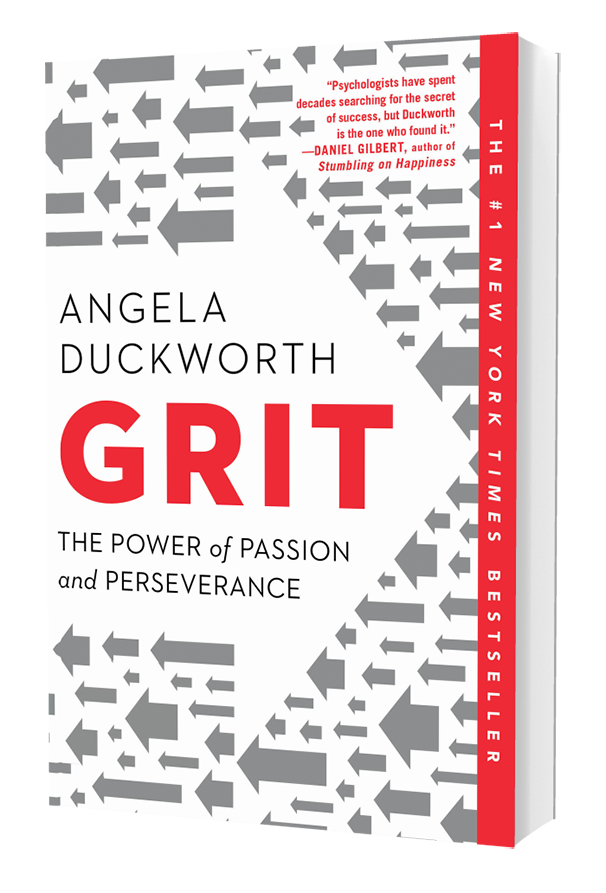
In essence, the tougher the dig, the taller your mountain. When you encounter a seemingly immovable boulder, that’s your opportunity to uncover new strengths, develop new skills, and reveal talents buried beneath the surface. Author Angela Duckworth calls this quality “GRIT” (check out her book… it has some inspirational ideas for you too.)

Unearthing Hidden Talents

Digging through your hole isn’t just about getting rid of what’s in your way. It’s also about discovering new strengths and uncovering hidden potential. Many of the talents you never realized you had may be buried beneath the surface, waiting to be unearthed. And just like the soil you dig up, these talents don’t disappear—they are what help you build your mountain.

This shift in perspective is crucial. Rather than seeing the digging as pointless or overwhelming, you start to realize that every obstacle is a chance to improve. Every shovelful of dirt you remove not only frees you from your limitations but also raises the height of your mountain, bringing you closer to your goals.

The Connection Between
Effort and Elevation

Wheeler Hole Theory introduces you to a profound concept: the effort of digging out of your hole is directly connected to how high you’ll eventually climb. Every step forward in preparation, every skill you build, every mental block you overcome adds to the mountain you’re building beneath your feet.

Your success isn’t just a result of what you do when you reach the surface—it’s built on the accumulation of all the effort you put in during the climb out of your hole. This metaphor reinforces the idea that nothing is wasted. The harder you dig, the higher you go.

Champions Find a Way to Keep Digging

Wheeler’s theory also emphasizes that most people give up too soon. They may dig for a while, face a particularly tough boulder, and then stop—thinking that it’s not worth the effort. But here’s the key: champions keep digging, even when it feels like they’re getting nowhere. They understand that every moment spent moving dirt, chipping away at obstacles, is building the foundation for their eventual success.

There are countless examples of this in real life. Think of athletes like Serena Williams or Michael Jordan. Their success wasn’t a result of one massive effort but rather a collection of daily struggles and victories. Every practice, every missed shot, every setback became a part of the mountain they climbed to reach greatness.

“Effort only fully releases its reward after a person refuses to quit.”Napoleon Hill, author of Think and Grow Rich

Navigating Challenges:
Quitting Doesn’t Mean Failing

Even when the digging gets tough, it’s important to understand that taking a break isn’t the same as quitting. Wheeler’s theory teaches us that knowing when to step back and rest is critical. Champions take strategic breaks, not to abandon their goals but to come back stronger, refreshed, and with new insight into how to keep moving forward.

The ability to pause, reflect, and return with greater energy is what separates those who succeed from those who give up. As the saying goes, “Rest if you must, but don’t quit.” You can return to the hole the next day with renewed strength, ready to dig deeper and continue adding to the top of your mountain.

Building Your Mountain of Success

As you continue to dig out of your hole, you’re simultaneously building something grander—a mountain of success that grows with every bit of dirt you remove. This mountain is built on preparation, perseverance, and effort.

Your Mountain Reflects Your Journey

The mountain you build isn’t just a symbol of success; it’s a reflection of your journey. It represents every lesson learned, every skill acquired, and every moment of mental toughness. And as you climb higher, you’ll look back and see just how far you’ve come.

The height of your mountain is determined by how much effort you’re willing to put in. The more shovelfuls you remove from your hole, the greater the heights you’ll reach. This concept not only motivates us to keep going but also reframes our perspective on challenges. Every obstacle is an opportunity to build our mountain higher.

Preparation Leads to Elevation

Success doesn’t happen overnight, and there are no shortcuts to the top of your mountain. Wheeler Hole Theory reminds us that success is earned, not granted, and it’s earned through the act of preparation. The digging you do today—no matter how difficult—lays the groundwork for the heights you’ll achieve tomorrow.

Each shovelful of dirt is an investment in your future, adding to the mountain you’ll one day stand upon. As you continue to dig, remember that your efforts are not wasted. They are elevating you, building something incredible with every step forward.


Remember:
Digging and Building Are One Process

I am diggin it... Wheeler Hole Theory

The Wheeler Hole Theory provides a simple yet profound framework for understanding success. It teaches us that every bit of effort we put into overcoming our current limitations directly contributes to the success we’ll achieve in the future. Digging out of our hole isn’t just about breaking free from our struggles—it’s about building the mountain of success we’ll one day stand on.

So as you reflect on your own journey, ask yourself: Are you willing to dig deep enough? Are you prepared to face the boulders, knowing that each obstacle moves you higher? Every shovelful you dig from your hole adds to the top of your mountain. Keep going, and soon enough, you’ll reach the summit.

Need more inspiration before you start applying the Wheeler Hole Theory in your life? Check out Coach Wheeler’s article titled, Embrace The Grind.

How to become an Elite Warrior

Your Path to Unstoppable Grit and Success

What does it mean to think like an elite warrior?

Elite Warrior Mindset

It’s not just about strength, skill, or talent. It’s about mindset—the unshakable discipline, mental toughness, and relentless drive that allow you to rise above adversity. It’s about controlling emotions, adapting under pressure, and refusing to accept mediocrity.

The good news? You can develop this mindset.

No one is born with an elite warrior mentality. It is built—through action, discipline, and daily choices. If you are ready to forge mental toughness and unstoppable willpower, this guide will show you how to train each of the 10 Core Tenets of the Elite Warrior Mindset (that you probably learned about from a previous article on this blog).


1. Build Unshakable Discipline:
Train Consistency Over Motivation

“Discipline is the bridge between goals and accomplishment.”
— Jim Rohn

Discipline is what separates those who dream from those who achieve. It’s the ability to execute, day in and day out, regardless of circumstances. Warriors don’t wait until they “feel like it” — they just do it.

How to build it:

  • Create daily non-negotiables. Build habits that you follow no matter what—wake up at the same time, train every day, complete your priorities before anything else. Make it who you are, not something you “try to do.”
  • Eliminate decision fatigue. Have a set morning routine, eat the same breakfast, wear similar clothes. The fewer trivial decisions you make, the more energy you save for important tasks.
  • Hold yourself accountable. Set up consequences for breaking discipline—a cold shower, extra reps, a loss of privilege. If there’s no consequence for skipping, your discipline will crumble.

2. Develop Mental Toughness Under Pressure: Thrive in the Storm

“If you can keep your head when all about you are losing theirs… yours is the Earth and everything that’s in it.” — Rudyard Kipling

Pressure is a privilege—it means you’re in the arena. The difference between the weak and the elite is that warriors remain calm when others panic.

How to build it:

  • Train in adversity. Push yourself through brutal workouts, fast for a day, take cold showers—seek controlled hardship so that when real adversity strikes, you’ve already conquered worse.
  • Simulate pressure situations. Practice your craft in high-stakes scenarios—shoot free throws when you’re out of breath, speak in front of a crowd, put deadlines on projects. Train like it’s game day.
  • Master your self-talk. Pressure is mental. Instead of saying, “I can’t handle this,” say, “I was made for this.” Reframe stress as energy that fuels peak performance.

3. Take Extreme Ownership:
Accept Full Responsibility for Everything

“The moment you take responsibility for everything in your life is the moment you can change anything in your life.” — Hal Elrod

Excuses are the language of mediocrity. Ownership gives you power. Warriors don’t blame teammates, circumstances, or luck—they focus on what they can control and fix it.

How to build it:

  • Eliminate blame from your vocabulary. If something goes wrong, own it. Ask: What could I have done differently? Weak people blame others—warriors seek solutions.
  • Lead yourself first. If you can’t lead yourself with discipline, no one will follow you. Take charge of your habits, training, and mindset.
  • Make accountability public. Tell others about your goals. The more eyes on you, the less likely you are to make excuses.

4. Cultivate Resilience & Adaptability:
Bounce Back Stronger

“Do not pray for an easy life; pray for the strength to endure a difficult one.” — Bruce Lee

Failure isn’t final—it’s feedback. Elite warriors see setbacks as fuel for their next victory.

How to build it:

  • Adopt the ‘Next Play’ mentality. Whether you fail a test, lose a game, or get rejected, move on immediately. Ask: What’s next? The past is irrelevant—your next action is what counts.
  • Expect adversity. Don’t be surprised when things go wrong—be ready. See struggles as part of the process, not a sign to quit.
  • Stay solution-focused. Instead of dwelling on problems, ask: What’s the best move I can make right now? Adapt and execute.

5. Develop a Relentless Work Ethic:
Outwork Everyone

“Success isn’t owned, it’s leased. And rent is due every day.”
— J.J. Watt

How to build it:

  • Prioritize effort over talent. Hard work beats talent when talent doesn’t work hard. Warriors focus on consistent effort rather than short bursts of motivation.
  • Schedule your grind. Block off dedicated time every day for skill development, conditioning, or self-improvement. Treat it like an unbreakable appointment.
  • Measure progress aggressively. Track your workouts, study hours, reps, and results. Set clear, measurable targets and beat them.

6. Train Situational Awareness & Strategic Thinking: Stay Three Steps Ahead

“The supreme art of war is to subdue the enemy without fighting.” — Sun Tzu

How to build it:

  • Study your environment. Know the game better than anyone. Review film, analyze competition, study trends—train your mind to recognize patterns.
  • Think long-term. Short-term gratification kills long-term success. Warriors think in years, not minutes.
  • Adapt quickly. If your plan fails, pivot immediately. Never freeze when things don’t go as expected.

7. Harness Calculated Aggression:
Know When to Strike

“The best time to plant a tree was 20 years ago. The second best time is now.” — Chinese Proverb

How to build it:

  • Train explosive decision-making. Speed matters. Simulate situations where you must react fast under pressure.
  • Strike at the right moment. Over-aggression burns energy. Learn when to wait and when to go all in.
  • Act boldly, even when uncertain. Warriors don’t hesitate. They trust their preparation and make decisive moves.

8. Master Emotional Control & Stoicism:
Stay Unshaken

“A wise man will be master of his mind, a fool will be its slave.”
— Publilius Syrus

Elite warriors don’t let emotions dictate actions—they stay calm under fire.

How to build it:

  • Pause before reacting. Before you respond, take a deep breath. Learn to act with logic, not emotion.
  • Expose yourself to discomfort. When you control your response to stress, you control your mind.
  • Focus only on what you can control. If it’s out of your hands, let it go.

9. Develop Unshakable Confidence:
Believe in Yourself

“He who conquers himself is the mightiest warrior.” — Confucius

How to build it:

  • Back confidence with preparation. You earn confidence by doing the work—train harder than anyone, and your belief in yourself will be unshakable.
  • Destroy negative self-talk. Change “I hope I can” to “I will.” Speak with conviction.
  • Visualize winning daily. If you can see it in your mind, you’ll make it happen in real life.

10. The Will to Win:
Refuse to Accept Mediocrity

“You must expect great things of yourself before you can do them.” — Michael Jordan

How to build it:

  • Refuse average effort. Do everything at the highest level—no half-measures.
  • Surround yourself with winners. The company you keep determines your mindset.
  • Cut out negativity. Make winning your standard.
    Winners don’t participate—they dominate.

Are You Ready to Train Like an Elite Warrior?

Developing an Elite Warrior Mindset isn’t easy—but it’s worth it.

If you want to become an Elite Warrior, you have a choice…
Every day, you have a choice: live like everyone else or rise like a warrior.

Which will you choose?

It starts today. Train discipline. Train resilience. Train to win.

Become an Elite Warrior!

Core Tenets of the Elite Warrior Mindset

Your Blueprint for Mental Toughness and Unstoppable Performance

The Elite Warrior Mindset isn’t about talent, genetics, or luck. It’s about who you become when the pressure is on. It’s about choosing discipline over comfort, ownership over excuses, and relentless execution over hesitation. Whether in sports, business, or personal life, this mindset separates champions from the average.

Greatness isn’t reserved for a select few. It’s built—one decision, one action, and one relentless pursuit at a time. If you’re tired of mediocrity, if you want to push beyond limits, if you refuse to accept anything less than your best—this mindset is for you.

Let’s break down the 10 Core Tenets of the Elite Warrior Mindset, the principles that define those who dominate in their fields.


1. Unshakable Discipline:
Do What Needs to Be Done, No Matter What

“We don’t rise to the level of our expectations, we fall to the level of our training.”Archilochus

Motivation is fleeting. It comes and goes like the wind. But discipline? That’s what makes warriors unstoppable.

Jocko Willink, former Navy SEAL and leadership expert, often says: “Discipline equals freedom.” The more disciplined you are, the more control you have over your destiny. Warriors wake up before the sun, train when they don’t feel like it, and execute even when exhausted. They don’t negotiate with their emotions—they follow their mission.

Kobe Bryant’s 4 a.m. workouts? Michael Phelps training 365 days a year? That’s the power of discipline. They weren’t motivated every day—they were committed.


2. Mental Toughness Under Pressure: Perform When It Counts

“Pressure is a privilege.”Billie Jean King

Life is a constant test. When the game is on the line, when the business deal is slipping away, when you’re gasping for air in the last mile of a race—do you fold or do you rise?

Elite warriors thrive under pressure because they’ve trained their minds for battle. Look at Michael Jordan’s legendary ability to deliver in clutch moments. He didn’t crumble under the weight of expectation—he embraced it. Pressure reveals character.

If you can learn to stay calm, focused, and sharp when stakes are high, you’ll outperform 99% of people in any field.


3. Extreme Ownership:
No Excuses, No Blame—Only Results

“Leaders must own everything in their world. There is no one else to blame.”Jocko Willink

Warriors don’t blame circumstances, luck, or others. They own everything.

David Goggins didn’t complain about his rough childhood or failures—he turned them into fuel. When something goes wrong, elite warriors don’t point fingers.

They ask:
“What could I have done better?”

“How do I fix this?”

“What’s the next move?”

Ownership gives you control. Control gives you power. Excuses make you weak. Choose wisely.


4. Resilience & Adaptability:
Get Knocked Down, Get Back Up Stronger

“It’s not the strongest or the most intelligent who survive, but those who can best adapt to change.”Charles Darwin

Everyone falls. Not everyone rises.

Tom Brady was drafted 199th. Michael Jordan was cut from his high school team. Elon Musk was laughed at for trying to launch rockets.

What separates winners from everyone else? They come back stronger.

Life will test you. You will fail. But resilience means using failure as feedback, adapting, and improving. It means refusing to stay down. It means knowing that every setback is just another setup for a comeback. Imagine the story you will be able to tell about your comeback!


5. Relentless Work Ethic:
Outwork Everyone Around You

“Hard work beats talent when talent doesn’t work hard.”
– Tim Notke, high school coach

There’s one thing you can control: your effort.

Dwayne “The Rock” Johnson is famous for his insane work ethic. He wakes up at 4 a.m. every day, trains like a madman, and outworks everyone in Hollywood.

Relentless warriors don’t just work hard—they work smart, they work consistently, and they never stop improving. They don’t need a boss to push them—they push themselves.

Success isn’t given. It’s earned in the dark, when no one is watching… the unseen hours.


6. Situational Awareness & Strategic Thinking: Always Be Three Steps Ahead

“Every battle is won before it is ever fought.”
– Sun Tzu, The Art of War

Greatness isn’t about brute force. It’s about strategy.

Chess Grandmasters think ten moves ahead. Navy SEALs plan every operation with extreme precision. Elite athletes anticipate the opponent’s next move before it happens.

Winners don’t just react—they predict. They analyze, strategize, and execute with precision.

If you can see opportunities and threats before others do, you’ll always be ahead.


7. Calculated Aggression:
Push Hard, But Be Smart

“Be ferocious, but be calculated.”David Goggins

Aggression isn’t recklessness. It’s about knowing when to attack, when to wait, and when to strike with full force.

Connor McGregor doesn’t throw wild punches—he picks his shots. Elite entrepreneurs don’t chase every opportunity—they execute with precision.

The best warriors don’t burn themselves out by going 100% all the time. They save energy, wait for the right moment, and then strike with overwhelming force.


8. Emotional Control & Stoicism:
Master Your Reactions

“You have power over your mind—not outside events. Realize this, and you will find strength.”Marcus Aurelius

Emotions cloud judgment. If you can’t control them, they will control you.

Tim Duncan was called “The Big Fundamental” because he never showed emotion on the court. He played with calm precision, never letting his feelings dictate his actions.

Greatness requires thinking, not reacting. Warriors train their minds to remain steady in chaos.


9. Self-Belief & Confidence:
Know You Can Handle Anything

“Whether you think you can or think you can’t, you’re right.”
Henry Ford

Confidence isn’t arrogance. It’s knowing that you have what it takes.

Serena Williams believed she was a champion long before she won a title. Elon Musk believed he could build rockets even when experts laughed at him.

Confidence comes from doing the work, proving yourself to yourself, and stepping up in big moments.

If you don’t believe in yourself, who will?


10. The Will to Win:
Refuse to Accept Mediocrity

“Winning isn’t everything, but wanting to win is.”
Vince Lombardi

The elite don’t just compete—they dominate.

Michael Jordan wanted to win at everything—practice, games, even ping pong. He refused to lose.

Winners don’t settle for “good enough”. They want to be the best.

If you want to achieve greatness, you must demand it from yourself every single day.


Final Thoughts:
Are You Ready to Build the Warrior Mindset?

The Elite Warrior Mindset is a choice. It’s not about genetics. It’s not about talent. It’s about how you think, how you act, and how you execute.

In the next article, we’ll break down exactly how to develop this mindset from scratch. But for now, ask yourself:

  • Where am I making excuses?
    Especially in the areas of my life that are really important to me?
  • Where can I be tougher?
    How am I letting myself “off the hook”?
  • What would happen if I fully committed to this mindset?
    What could I accomplish?

Warriors aren’t born. They are built.

Are you ready to build your Elite Warrior Mindset? Check out the next article which talks about HOW to become an Elite Warrior.

Mistakes: Your Key to Winning

Mistakes are often seen as setbacks, failures, or embarrassments, but for those with a winning mindset, they are stepping stones to success. They are lessons wrapped in challenges, teaching us what doesn’t work and pushing us closer to what does.

Mistakes are an inevitable part of life, especially when striving for greatness, and learning to recognize, move past, and grow from them is crucial to building a winning mindset. Let’s explore how to turn mistakes—both chronic and one-time—into powerful tools for improvement.


Recognizing Mistakes, Especially Chronic Ones

The first step to learning from mistakes is recognizing them. This might sound simple, but it can be surprisingly difficult, especially when dealing with habitual or chronic errors. These are the mistakes we make repeatedly, often without realizing it, because they are tied to ingrained patterns of thought or behavior.

Spotting Chronic Mistakes

  • Self-Reflection: Take time to regularly reflect on your actions, decisions, and results. Journaling or maintaining a simple log of daily experiences can help you identify patterns of behavior that lead to repeated errors.
  • Feedback from Others: Sometimes, chronic mistakes are easier to spot when others point them out. Surround yourself with people who aren’t afraid to offer constructive criticism and value their input.
  • Objective Analysis: Look at your performance metrics. In basketball, for example, a coach might track turnovers or missed opportunities to identify recurring problems.

The Emotional Blind Spot

One reason mistakes go unnoticed is that we tend to justify them emotionally. We might blame circumstances, other people, or bad luck instead of admitting our own role in the outcome. A winning mindset requires humility—the ability to set aside ego and take full ownership of our actions.

Ask yourself:

  • What am I consistently doing that’s not working?
  • If I were advising someone else, what would I tell them about this behavior?
  • How can I approach this differently?

By recognizing your mistakes—especially the chronic ones—you take the first critical step in turning them into growth opportunities.


Moving Past Mistakes:
Overcoming the “Sucked-In Effect

It’s easy to get sucked into mistakes, letting them define you or derail your progress. Dwelling on them leads to fear, doubt, and hesitation, which can prevent you from taking the next step. A winning mindset involves acknowledging mistakes without letting them consume you.

1. Acknowledge The Mistake, Don’t Avoid It

When a mistake happens, acknowledge it immediately. Avoiding or ignoring it only magnifies its impact. Own it, name it, and accept it as part of the process.

Mindfulness is a key part of recognizing and acknowledging a mistake. Here is an article if you want to learn more about how Mindfulness is related to Mistakes.

Key Mindset Shift:
Mistakes are not the opposite of success…
they are part of the journey toward Success.

2. Avoid Overthinking

Dwelling on a mistake can spiral into overthinking, which hinders progress. Instead of ruminating, ask:

  • What can I learn from this?
  • What will I do differently next time?

Focus on solutions, not problems. For example, if you miss a critical free throw in a basketball game, dwelling on it won’t change the outcome. Instead, commit to extra practice and visualization techniques to improve next time.

3. Use Mistakes as Motivation

Instead of letting a mistake discourage you, let it fire you up. Channel the frustration into action. Many athletes and successful individuals have used their greatest setbacks as fuel to prove themselves.

4. Create a Reset Ritual

Develop a ritual to help you move past mistakes quickly. This might include deep breathing, repeating a mantra, or taking a moment to visualize success. For example, some basketball players tap their chest and point upward as a way of saying, “That’s on me, and I’m moving forward.” There is a softball team that uses the gesture simulating the flushing of a toilet as a way to show that they are letting go of their mistake and sending it down the drain.

Incorporating these practices into your life, or something similar of your own design, ensures that mistakes are temporary detours, not dead ends. Learn from them and let them go.


Growing from Mistakes

Once you’ve recognized and moved past your mistakes, the final and most important step is to grow from them. Growth involves turning every error into a learning opportunity and using it to improve your future performance.

1. Learn the Lesson

Every mistake carries a lesson, but you have to look for it. Ask yourself:

  • What went wrong?
  • Why did it happen?
  • What could I have done differently?
  • How can I prevent this in the future?

Be specific. For example, if your basketball team lost a game because of poor communication on defense, analyze the breakdown and implement drills to improve teamwork.

2. Embrace Feedback

Feedback is a gift, even when it’s hard to hear. Seek out coaches, mentors, or teammates who can provide insights into your mistakes and how to address them. The more open you are to feedback, the faster you’ll grow.

3. Develop New Habits

Chronic mistakes often stem from bad habits. To grow, you must replace these with better habits. Bad habits don’t go away by themselves. If you try to stop, a “vacuum” is created and something worse might slide in to replace the bad habit. Create a new habit that pushes the old out for good.

  • Start small: Focus on one habit at a time.
  • Be consistent: Change happens through repetition. As NBA player Chris Paul says, “Stack the reps“.
  • Track progress: Celebrate small wins to stay motivated.

For example, if you habitually rush your shots, create a pre-shot routine to slow yourself down and improve accuracy. Or work on your shot so that you can get it off more quickly… and comfortably with confidence.

4. Stay Positive

Growth requires a positive mindset. Be kind to yourself. Mistakes don’t define you; how you respond to them does. Focus on your progress and remember that setbacks are temporary.

Mental Growth Example:
Michael Jordan, one of the greatest basketball players of all time, famously said, “I’ve missed more than 9,000 shots in my career. I’ve lost almost 300 games. Twenty-six times, I’ve been trusted to take the game-winning shot and missed. I’ve failed over and over and over again in my life. And that is why I succeed.”


Mistakes / Team Dynamics

Mistakes don’t just happen individually; they happen within teams. A winning mindset involves creating a culture where mistakes are seen as opportunities for collective growth rather than reasons for blame. Everyone contributes to the team… and everyone makes mistakes at some point. It is part of the process and the stronger teams understand how to deal with mistakes productively.

Foster Open Communication

Encourage team members to admit mistakes without fear of judgment. This builds trust and ensures that mistakes are addressed, not hidden.

Collaborative Problem-Solving

When a mistake affects the team, involve everyone in finding solutions. For example, if a basketball team struggles with turnovers, brainstorm strategies together to reduce them.

Celebrate Growth

Recognize and celebrate when a teammate learns from a mistake and improves. This reinforces the idea that mistakes are part of the journey to success.


The Winning Mindset & Mistakes

Coach Wheeler
Coach Wheeler helps you Build a Winning Mindset

I have made plenty of mistakes. (Check out the following article if you don’t believe me.) I firmly believe that mistakes are not failures; they are opportunities. They provide clarity on what doesn’t work and pave the way for what does.

By recognizing mistakes—especially habitual ones—you bring them into the light, where they can be addressed. By moving past them quickly, you prevent them from holding you back. And by growing from them, you transform setbacks into stepping stones toward success.

Key Takeaways as part of a Winning Mindset:

  1. Recognize mistakes: Own your actions and identify patterns.
  2. Move past mistakes: Avoid the trap of overthinking or dwelling on errors.
  3. Grow from mistakes: Use every failure as an opportunity to improve.
  4. Foster a growth culture: In teams, create an environment where mistakes are learning tools, not sources of blame.

Mistakes are not the enemy. They are your coach, your teacher, and sometimes your greatest ally in building a winning mindset. Next time you make a mistake, don’t beat yourself up. Instead, smile, reset, and remember: every mistake is another step toward becoming a winner.

Life is Hard. Great. RU All-In?


In the grand theatre of life, every person encounters a unique blend of challenges, obstacles, and hardships. While some may view these difficulties as insurmountable barriers, others perceive them as stepping stones to greatness. This dichotomy in perspective often separates the ordinary from the extraordinary. In a world where competition is fierce and success is not handed on a silver platter, embracing the toughness of life and actively seeking out challenges can be the key to outshining your competition. The question is, are you all-in?

The Virtue of Hardship

Life is not designed to be easy. It’s a complex, intricate journey filled with ups and downs, triumphs and setbacks. Embracing this reality is the first step toward mastering the art of overcoming adversity. Hardship serves a critical purpose: it molds us, shapes our character, and fortifies our resolve. As the saying goes, “Smooth seas do not make skillful sailors.” It is through facing and conquering challenges that we grow stronger, wiser, and more capable.

The Competitive Edge

When you actively seek out difficult tasks, you set yourself apart from the majority who prefer the path of least resistance. In every field, be it business, sports, academics, or personal development, those who excel are the ones who are not afraid to tackle the hardest problems. They understand that in doing so, they gain a competitive edge. By confronting and mastering difficulties, they develop unique skills, insights, and resilience that their competitors lack.

Consider the story of Sara Blakely, the founder of Spanx. Before her rise to fame, Blakely faced numerous rejections and setbacks. However, she viewed these challenges as opportunities to innovate and improve. By persevering through tough times and continuously refining her product, she ultimately created a billion-dollar business. Her success was not a result of avoiding difficulties but embracing them and using them to her advantage.

Life is Hard. Build Resilience.

Resilience is the hallmark of those who thrive despite adversity. It is the ability to bounce back from setbacks, to keep pushing forward even when the going gets tough. Building resilience requires a mindset shift. Instead of seeing difficulties as threats, see them as opportunities for growth. Every setback is a setup for a comeback.

Developing resilience involves cultivating a few key attributes:

  1. Optimism: Maintaining a positive outlook in the face of adversity helps you stay motivated and focused on solutions rather than problems.
  2. Adaptability: Being flexible and open to change allows you to navigate through challenges more effectively.
  3. Perseverance: The ability to persist in the face of difficulties is crucial. It’s about keeping your eyes on the prize and not giving up, no matter how tough the journey gets.

Life is Hard. Are You All-In?

To truly excel and outshine your competition, you need to be all-in. This means committing fully to your goals and being willing to do whatever it takes to achieve them. It’s about having an unwavering dedication to your vision and a relentless drive to overcome any obstacles that stand in your way.

Commitment to Excellence

Excellence is not a destination but a continuous journey. It requires a commitment to constant improvement and a willingness to push beyond your comfort zone. To be all-in means striving for excellence in everything you do, whether it’s a small task or a significant project.

Take the example of athletes like Michael Jordan or Serena Williams. Their commitment to excellence is evident in their rigorous training regimens, relentless pursuit of perfection, and refusal to settle for mediocrity. They understand that to be the best, you must give your best effort consistently.

COMMITTED TO Embracing Discomfort

Growth and comfort do not coexist. To achieve greatness, you must be willing to embrace discomfort. This means taking on challenging tasks, facing your fears, and stepping outside your comfort zone regularly. It’s about pushing your limits and discovering your true potential.

COMMITTED TO a Growth Mindset

A growth mindset, as defined by psychologist Carol Dweck, is the belief that abilities and intelligence can be developed through dedication and hard work. This mindset fosters a love for learning and resilience, which are essential for great accomplishment. People with a growth mindset view challenges as opportunities to grow rather than threats to their self-esteem. This is a key aspect of dealing with, and embracing, the hard challenges in your life.

Practical Steps to Embrace Challenges

  1. Set Big Goals: Aim high and set ambitious goals that require you to stretch beyond your current capabilities. Big goals will motivate you to put in the extra effort and face challenges head-on.
  2. Break Down Challenges: Break down big challenges into smaller, manageable tasks. This approach makes daunting tasks more approachable and allows you to make consistent progress.
  3. Seek Feedback: Actively seek feedback from others to identify areas for improvement. Constructive criticism can help you refine your approach and enhance your performance.
  4. Learn from Failures: View failures as learning opportunities rather than setbacks. Analyze what went wrong, extract valuable lessons, and apply them to future endeavors.
  5. Stay Persistent: Persistence is key to overcoming challenges. Stay committed to your goals, even when progress seems slow. Remember that persistence often outlasts resistance.

    More Resources for overcoming adversity… click here.

Real-Life Examples of Overcoming Challenges

Elon Musk: The founder of SpaceX and Tesla is no stranger to challenges. From facing near-bankruptcy to enduring multiple rocket failures, Musk’s journey is a testament to the power of perseverance and resilience. His ability to learn from failures and keep pushing forward has led to groundbreaking innovations in space exploration and electric vehicles.

J.K. Rowling: Before achieving worldwide fame with the Harry Potter series, Rowling faced numerous rejections from publishers. Despite these setbacks, she continued to believe in her story and persisted in her efforts. Her success is a powerful example of how embracing hardship and staying committed to one’s vision can lead to extraordinary outcomes.

Reflecting on Your Journey

Take a moment to reflect on your own journey. What challenges have you faced, and how have they shaped you? Consider the times when you chose the harder path and the lessons you learned along the way. Acknowledge the strength and resilience you’ve developed through these experiences.

Now, think about your future goals. Are you willing to go all-in? Are you ready to embrace the difficulties that lie ahead and use them as opportunities to grow and excel? Remember, greatness is not achieved by avoiding challenges but by confronting them head-on with determination and grit.

Life is hard. Deal with it.

Life is hard, and that’s what makes it great. It’s the challenges we face and the difficulties we overcome that define our journey and shape our destiny. By embracing hardship, building resilience, and committing fully to our goals, we can outshine our competition and achieve extraordinary success.

So, the next time you encounter a difficult situation, welcome it with open arms. See it as a chance to prove your mettle, to grow stronger, and to rise above the rest. Are you all-in? The path to greatness awaits those who dare to embrace the hard road and give it their all.

The Hoo-AH! Mindset: How to Add Elite Focus and Relentless Drive

The Hoo-AH! Mindset... are you ready?

In life and in sports, there are moments that test us to our core. Moments where we question whether we have what it takes to push through the exhaustion, the doubt, and the setbacks. It’s in those moments when we need something more than just effort—we need mental grit, relentless confidence, and a winning attitude. That’s where the Hoo-AH! Mindset comes in.

More than just a word, Hoo-AH! is a battle cry born from the elite training of the U.S. Army Rangers. It represents a mentality of readiness, strength, and collective unity that has fueled some of the world’s most highly trained and disciplined soldiers. Now, this powerful mindset can inspire your approach to life, competition, and personal challenges.

But what does Hoo-AH! really mean, where does it come from, and how can you apply it to your life to level up your performance? Let’s dive in.

The Origins of Hoo-AH!

The term Hoo-AH! is a staple of the U.S. Army and, more specifically, the Army Rangers—elite soldiers who are known for their unmatched discipline, endurance, and tactical prowess. It’s believed that Hoo-AH! originated as a form of acknowledgment, a way for Rangers to say “I Hear you, I Understand, and I Acknowledge the order (I’m ready).” Over time, it evolved into something much more powerful—a rallying cry that soldiers use to affirm their resilience and their readiness to take on any challenge.

Whether they’re being asked if they’re tired, if they’re ready to face a mission, or if they’ve accomplished something monumental, the response is always the same: Hoo-AH! It’s a word that signals not only physical toughness but a mental toughness that is unshakable. It’s a commitment to never back down, no matter how hard the situation gets.

Imagine how powerful it would be if we could apply this mindset to our own lives—whether on the court, in the office, or facing personal adversity.

What Hoo-AH! Means

At its core, Hoo-AH! is about more than just saying a word; it’s about adopting a mentality that embraces challenges, embodies discipline, and fosters an unstoppable drive toward success. Here’s what the Hoo-AH! mindset really stands for:

Readiness: When you live by the Hoo-AH! mindset, you are always ready. Ready for the game, ready for the challenge, ready to push your limits. It’s about staying mentally prepared to give your best effort at all times, even when you’re tired, and even when doubt creeps in.

Mental Resilience: Hoo-AH! is the verbal embodiment of mental resilience. It’s a way of telling the world, “I’m still here. I’m not giving up.” In sports, and in life, this means you face adversity head-on, knowing that your strength comes from your refusal to quit.

Confidence Under Pressure: The Hoo-AH! mindset means that when things get tough, you get tougher. It’s about finding that inner belief when everyone else is doubting you, when the game is on the line, or when you’re on the verge of breaking down. You respond with Hoo-AH!, signaling that you are not just surviving but thriving under pressure.

Team Unity and Support: Hoo-AH! is often a collective cry, a shout that unites a group of people around a common goal. In sports, it’s the team’s shared belief that they can overcome any obstacle when they work together. It’s about having each other’s backs and knowing that your effort contributes to something bigger than yourself.

What the Hoo-AH! Mindset Does

When you adopt the Hoo-AH! mindset, it transforms how you approach every aspect of your life. Here’s how:

It Builds Unstoppable Momentum: When you live by Hoo-AH!, you develop momentum that propels you forward. Whether you’re an athlete pushing through a tough training session or someone striving for personal growth, the more you embrace Hoo-AH!, the more you push yourself beyond your perceived limits.

It Cultivates Mental Toughness: The Hoo-AH! mindset fosters an internal toughness that keeps you standing tall even when you’re faced with adversity. You become the person who looks at challenges not with fear, but with anticipation and readiness. This mental toughness becomes your secret weapon in overcoming obstacles.

It Elevates Your Team: Just like the Army Rangers who use Hoo-AH! to rally each other in the toughest of missions, you can use this mindset to elevate those around you. Whether in sports, business, or life, your commitment to never give up will inspire your team, your coworkers, and your community to do the same.

It Develops Consistency: One of the greatest challenges in any pursuit—whether athletic, academic, or professional—is staying consistent. The Hoo-AH! mindset pushes you to show up every day, even when you don’t feel like it, even when the odds are stacked against you. It becomes your daily mantra for perseverance.

How to Add Hoo-AH! to Your Life

Ready to add the Hoo-AH! mindset to your life? Here’s how you can start making it part of your personal and competitive journey:

  1. Set a Challenge
    Start by setting a challenge that will push you outside your comfort zone. Whether it’s running an extra mile, completing an advanced drill, or pushing yourself in the weight room, give yourself a goal that feels difficult. When you complete it, shout Hoo-AH!—celebrate the victory, no matter how small.
  2. Use It as a Rallying Cry
    Whenever you’re faced with a tough situation, mentally or physically, use Hoo-AH! as your battle cry. Tell yourself you’re ready. If you’re working with a team, get them to join you in saying it. Make it a point of uniting everyone around the idea that you can accomplish more together than you can alone.
  3. Push Through Fatigue
    When you feel tired, don’t give in. Let Hoo-AH! be your answer to fatigue. The next time you feel exhausted during a workout, practice, or long workday, ask yourself if you’re tired. Then respond with a loud Hoo-AH! and keep pushing. You’ll be surprised at how much further you can go.
  4. Celebrate Effort, Not Just Wins
    Hoo-AH! is about celebrating your effort, not just the final score. Anytime you put in the work, especially when it feels difficult, you’ve earned the right to say Hoo-AH!. This mindset shifts your focus from outcomes to the process, making you stronger in the long run.
  5. Make It Part of Your Daily Routine
    Start each day with a Hoo-AH! mindset. When you wake up, remind yourself that you are ready for whatever the day brings. When you go to practice, walk into the gym with the knowledge that you’ll give it your all. The more you embed this attitude into your daily life, the more it becomes second nature.


The Hoo-AH! mindset is more than just a word—it’s a way of life. It’s about readiness, resilience, and unshakeable confidence. It’s taking responsibility for what you are going to do to improve your situation. It’s about uniting your team around a common goal and using your mental and physical toughness to push through any obstacle.

So the next time you’re asked if you’re ready for the challenge, or if you’re tired, or if you’ve got what it takes, respond with the only answer that matters: Hoo-AH!

Please leave a comment below. I’d love to hear how you have applied the Hoo-AH! Mindset in your own life or even stories of how Hoo-AH! has helped others succeed.