How to GET Better Next Time

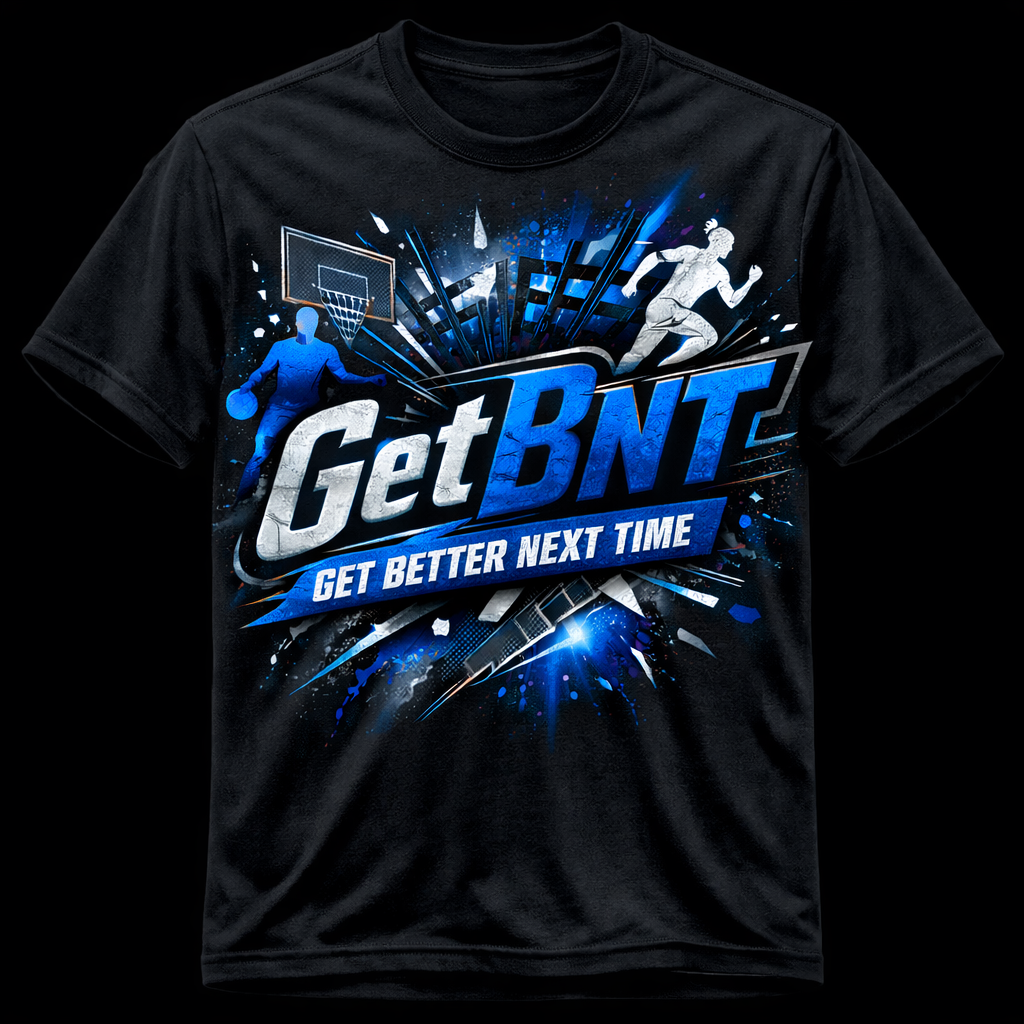
Get Better Next Time #GetBNT
Want a T-shirt with this logo?
Visit Coach Wheeler’s Shop

The most important list a coach can make.

Every season ends the same way for almost every team.

You either lose your last game… or you’re the one team cutting down the nets.

Either way, the locker room eventually goes quiet. The gym lights turn off. The season is over.

And that’s when the most important work of coaching begins.

Not recruiting.
Not new plays.
Not the summer schedule.

Reflection.

Some coaches avoid it. They move on quickly. They blame the officials, the injuries, the parents, the players, or the administration.

But the best coaches I’ve known do something very different.

They sit down and make a simple list:

Things I’ll Do Better Next Time.

Not things the players should do better.

Not things the parents should understand.

Things I will do better.

Because the truth is simple and uncomfortable:

The program is the coach.

If something isn’t working, the coach has to adjust first.


The Two Lists Every Coach Should Make

When I reflect on a season, I like to start with two columns.

  1. Keep
  2. Improve

The “Keep” column matters because we often forget what actually worked. A season might feel frustrating, but buried inside it are things worth building on.

Maybe your conditioning program worked.

Maybe your offense created good shots.

Maybe your players developed toughness.

Those things belong in the Keep column.

But the real growth happens in the Improve column.

This is where honesty lives.


Coaching Is a Learning Profession

Coaches love to talk about player development.

We track shooting percentages, rebounds, assists, turnovers, speed, strength, conditioning.

But how often do we track our own development as coaches?

Every season teaches lessons.

Sometimes those lessons are painful.

A missed opportunity.
A communication breakdown.
A system that players never fully understood.
A culture that didn’t grow the way we hoped.

The temptation is to move past it quickly.

The better choice is to study it.


Start With the Questions

If you want your “Next Season” list to be useful, start by asking better questions.

For example:

  • Did my players truly understand how we wanted to play?
  • Did our practices build the habits we expected in games?
  • Did players feel heard when they had concerns?
  • Did parents understand the direction of the program?
  • Did we spend practice time on the things that mattered most?

These questions are not about blame.

They are about clarity.

Because clarity leads to better coaching.


The Danger of Coaching on Autopilot

One of the biggest traps in coaching is running the same season over and over again.

Same drills.
Same approach.
Same mistakes.

Years go by, but nothing really improves.

The best coaches I’ve studied treat each season like an experiment.

They test ideas.

They refine systems.

They adjust communication.

They evolve.

And at the end of the season they ask:

What worked? What didn’t? What will I do differently next year?


The Power of Small Improvements

The interesting thing about these lists is that they rarely contain dramatic changes.

Usually they look something like this:

  • Communicate expectations earlier.
  • Write out practice plans more clearly.
  • Build in more end-of-game situations.
  • Give managers more responsibility.
  • Add a mental training component.
  • Ask players for feedback more often.

None of these ideas are revolutionary.

But together, they can transform a program.

Because improvement in coaching is rarely about one big change.

It’s about twenty small ones.


Coaching Is Leadership

Players are watching everything.

How you handle wins.
How you handle losses.
How you handle criticism.
How you respond when things go wrong.

When a coach takes responsibility and says:

“Here are the things I’ll do better next season.”

Players notice.

It sends a powerful message:

Improvement isn’t just expected from athletes.

It’s expected from everyone.


The Hidden Benefit of Reflection

There’s another reason this exercise matters.

Closure.

Every season carries emotion.

Frustration.
Pride.
Regret.
Moments you wish you could replay.

Writing down the lessons helps you process all of it.

It turns experience into knowledge.

And knowledge into progress.


Your Turn

If you’re a coach, here’s a challenge.
Take 15 minutes this week.

Grab a notebook and write the title:

“Things I’ll Do Better Next Season.”

Then make two lists.

1) Keep
2) Improve

Be honest.
Be specific.
Be constructive.

You might be surprised by what you discover.
Because every season—good or bad—is trying to teach you something.
And the coaches who keep getting better are the ones who stop long enough to listen.

Get Better Next Time #GetBNT
Want a T-shirt with this logo?
Visit Coach Wheeler’s Shop

The season may be over.

But the next one has already started.

The question is simple:

What will you do better next time?
Are you going to “Control The Controllables“?
Players First – Wisdom from Coach Cal

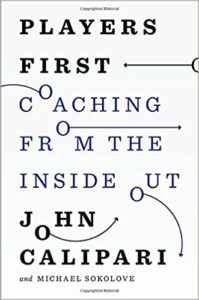
Players First by John CalipariBelow is an excerpt from a book that I just finished reading. The book is by Coach John Calipari and Michael Sololove and it is titled “Players First, Coaching from the Inside Out.” The excerpt explains Coach Cal’s “Players First” philosophy…

… There was a time I coached partly for myself – for status, respect, money, wins. I’m not immune to any of these things, but they’re not really the point anymore, either. … I coach for the names on the back of the jerseys – not just the front. My players. They are sent to me by their fathers, their mothers, their grandmothers and their aunts – whoever in this world raised them and loves them. Others look at their NBA bodies and consider them lucky. Future millionaires, just stopping through before they cash in. That’s not what I see. They’re kids, some of them as young as seventeen years old. They all need me in a different way. Some want my affection, others my approval. It’s a burden to be responsible for other people’s children, sometimes a heavy burden.

“Players First” sounds like a great way to think about coaching, even if you are not the head coach of the Kentucky Men’s Division 1 basketball program. Even if your players are not future NBA draft picks, it is good to think about the responsibility you, as a coach, have to them and the people who raised them.

Other Book Reviews

If you are looking for other books to help you build a winning mindset, check out these book reviews on the blog… 12 Rules For Life and The Undoing Project.

There are loads of great ideas in Coach Cal’s book and you can look forward to seeing a few more excerpts from the book on this blog. Please leave a comment below and tell us how this idea of “Players First” compares to your own coaching philosophy. I know there must be some coaches out there that coach their team to put the name on the front before the name on the back. That’s a Team-First focus and it is a good thing, right?

Program Turnaround Plan

If you are a coach interviewing for a leadership position with basketball programs in need of a turnaround, it is important to have a solid idea of how you will improve the situation right from the beginning. That is what they are hiring you for, right? How are you going to create a “Culture of Winning”?

What is considered a “Turnaround Opportunity”?

As I discussed in an earlier post, there are typically 3 levels of “Winning” and most turnaround opportunities are in the Type 3 category [“Participation Awards”] where the program loses 2 or more times more often than it is winning basketball games.  Occasionally a Type 1 program will drop to a Type II level [Mediocre] and decide that they need a turnaround so they can return to their tradition of winning. In either case, there are certain elements that need to be established before the program can start to see more wins.

It all starts upstairs.

Before I get into the specific skills that need to be developed I should point out that winning starts with the mentality or “way of thinking” of everyone within the program.

A successful mindset can be built over years of winning traditions but in a turnaround situation you need to convince all parties (players, parents, fans and school administration) that 1) winning is possible and 2) they have the tools they need to build a winning team.

Once these two beliefs are in place, the next step is to have a plan to develop the specific skills/tools needed to actually win games. It is critical to get everyone to buy in to your plan and be willing to work hard to create positive results. Once the positive results start rolling in, it makes it easier and easier for more people to “get on board” and build that winning momentum !

Let’s start building…

Everything starts with a Winning Mindset. I require any team that I coach to adopt 3 core values that we will hold onto no matter what. These key parts of our winning mindset are 1) We never quit, 2) We control our minds, and 3) We overcome challenges. These 3 ideas or “tenets” shape how we approach practice … which shapes how we play in games. I went into these 3 core values in another article on this blog, as well as in person during various interviews. Let me say that they were chosen very carefully and, when given time to fully implement them, they translate into powerful tools that help you create the mindset you need to win in both sports and in life.

What does a “Culture of Winning” look like?
  1. Practice like a champion.
  2. Expect to win / Refuse to Lose
  3. Win with class.

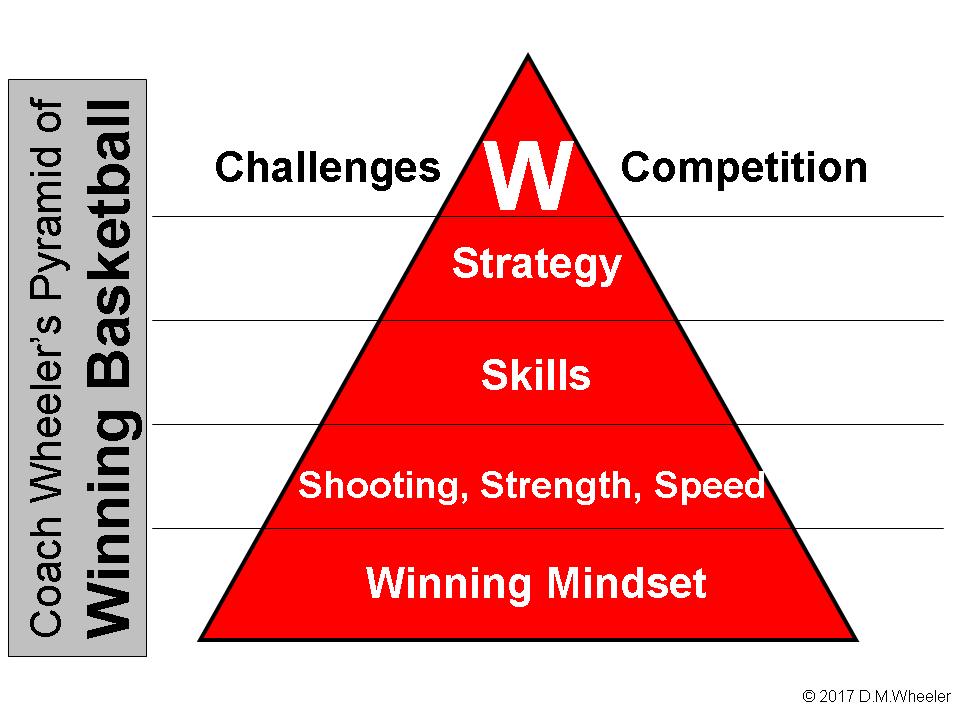
wheeler's Pyramid of Winning Basketball

1st Principles for a Turnaround –
3S: Shooting, Strength and Speed

First, I should point out that I believe in the Growth mindset (vs. the Fixed or Talent Mindset). This means that nearly everything is a skill that can be learned and developed. On the other hand is the Fixed or Talent mindset which says that a player either has a talent or doesn’t. Their potential is “fixed” and cannot change.

What most people forget is that a varsity basketball program is the result of years of basketball going all the way back to shooting the ball in the driveway at home. Kids develop at different rates and someone who is the best in grade school can be easily passed by someone who continues to work on their skills through middle school and into high school. On top of this there is the literal “growth” that happens and is not always easy to predict. Growth spurts can happen at almost any age and can completely change a player’s abilities on the court.

Having said that, Shooting, Strength and Speed are all skills that can, and should, improve year after year as an athlete goes through high school.  These are the foundation that other skills and strategies are built upon and it makes sense to adopt a Growth mindset so you keep getting better.

Some might say that a team needs height and it is genetic which means it is not subject to development. While it is nice to have a height advantage, many games can be won without a height advantage. Plus, the ability to jump CAN be developed and when combined with speed and strength, a shorter team can often perform much better than a “tall” team.

Shooting Development

This might be a little controversial, but my experience has shown me that every high school that wants to be competitive should have a Dr. Dish or Shoot-a-way basketball shooting machine. It allows players to get in a high volume of shots by themselves. The machine collects the ball after it is shot and passes to the player for the next shot while keeping a tally of makes & misses. It is a valuable tool that every team should have and should be used CONSTANTLY. More shots in practice (with a little coaching) results in more makes in games. It is also a good goal for booster clubs and coaches as part of their fundraising efforts.

This is in line with my 3P’s of shooting
1) Practice,
2) Practice while moving and
3) Practice at game speed.

My shooting development program also includes the following concepts/drills…

  • [Shooting] confidence is earned.
    More shots made in practice = more confidence in games.
    .
  • Shooting accuracy and range is a function of strength.
    Your leg strength and arm/wrist strength determines your working range. Putting up lots of shots will help but a strength program is also an important part of a successful basketball program.
    .
  • Shooting form typically need to be corrected in high school.
    As strength is added, a better, more effective shooting form often needs to be adopted. This typically happens in the transition from Middle School to High School but whenever it happens the new (correct) form needs to be “burned in” with repetition so that it becomes automatic.
    .
  • Center Swish Drill. This helps players target the very center of the basket and can be useful when they are making adjustments to their shooting form, ideally over the summer when they have loads of time to put up shots.
    .
    Quick NBA Legend story:
    The idea of “center swish shooting” came from something I heard about how Larry Bird practiced his shooting. Someone saw that on some days Larry would shoot a tone of shots while on other days he shot only a few. When asked about it, Larry said that he shoots until he is happy with the results (he shoots for the very center of the basket). Some days his stroke is 100% and it is a short practice.  Other days he needs to “dial it in” which can take more shots. If you aren’t yet as good as Larry Bird, how many shots do you think you will need to shoot?

Strength Development

Consistency is the key for strength development. It does little good to burn out your muscles by lifting too much weight and then being too sore to work out for a week. Consistently lifting enough weight to stress your muscles so they will adapt and get stronger is the key. Don’t lift so much that you are too sore to lift in two days.  Effort is important but consistency (with proper recovery) builds results.

Basketball players should start learning basic lifting in 8th grade (age 14) with body weight exercises and focus on a consistent schedule. It will add up.

I typically have high school players do legs & core on one day and arms/chest/back on the following day. Ideally, they should not lift on the 3rd day.  This gives two complete cycles per week with another day off. If a player is running and doing basketball drills, this should work his muscles sufficiently without interfering with any practices or games that come up.

Quick NBA Legend story…
Michael Jordan lifted weights throughout his NBA season and he would have sometimes 4-5 games per week. He famously would lift on the morning of a game day to stay on his strength building program.

Most under-utilized weight training tool:

Kettle bells are becoming more common but they are still very often sitting around unused. In particular, kettle bell swings are a great way to strengthen your core all the way from your thighs, through your glutes and abs and the rest of your core muscles. Having a strong core gives you a strong foundation when making twisting moves around the basket while also helps prevent back injuries.

Other ways to improve strength and mobility include yoga and other activities that involve balance. These types of exercise help tone your core muscles which helps to prevent back injuries and give you some great looking abs!

Speed Development

I have found that there is no replacement for a timed full speed sprint. It is simple to time yourself and by measuring your speed, you are able to see improvement.

Another way to develop speed is by using HIIT or High Intensity Interval Training. Basketball is a game of sprints, not jog-jog-jog. Joggers get beat by sprinters.

There is a good app I have on my iPad called Tabata Stopwatch Pro which allows you to set your exercise intervals (e.g. sprints) as well as the rest interval. This brings up another aspect of “speed” as it applies to basketball. It is not only how fast you can sprint but also how fast you can recover from sprinting and sprint again. Building your ability to recover is something that the Tabata or HIIT workout does well.

Favorite Speed Drill: Jump Rope

A jump rope is an inexpensive way to improve your foot speed as well as hand/eye coordination. Players are surprised by how much quicker they can become by something as simple as jumping rope.

Another Favorite Drill: Lunges

The lunge is another underrated drill. In fact, the trainer who helped Michael Jordan go from a 35 inch to a 46 inch vertical jump uses an adapted form of the lunge as part of his “Jump Attack” training program. I like to use either weighted lunges with the rear foot on a bench as part of a weight workout or step lunges as a warm-up.
Jumping is not just about muscle strength but also involves flexibility, especially in the hip joint, so a lunge exercise helps in a number of ways.  Jumping also requires quickness and technique which are also skills that can be developed. If you have a jump program that you would like to see reviewed on this blog, leave your contact info in a comment and we will be in contact.

Player Development Timetable:

High school players need to be developed starting in elementary school where the key is building a love for the game. Playing basketball is fun. Getting better at basketball is fun. It is sometimes challenging but it is still fun. At the higher levels, the game becomes more challenging but the satisfaction of overcoming those challenges, combined with the thrill of winning take the “fun” to a whole new level.

Need Year Round Basketball to win?

With AAU and other leagues, it is possible to play year-round. Is this required for the successful turnaround of a basketball program? Probably not but the best players will find opportunities to play year round, often in addition to other sports. Weekend AAU games are a great complement to a school soccer or cross-country team in the Fall or a track or baseball season in the Spring. The key is to make all coaches aware of the player’s schedule. No one wants surprises when it comes to game conflicts. The last thing a coach wants is worn out players when they should have been resting up for the next day’s game.

What’s next to Turnaround a basketball program?

wheeler's Pyramid of Winning BasketballThe Winning Mindset and the 3 S’s get you about halfway up the pyramid of winning basketball. Looking ahead, there will be articles on this blog about Skill development and Strategies. These are things that many coaches focus on … without the strong foundation of a proven strong mindset and 3S’s. In a turnaround situation, that is a recipe for disaster (and more losses). Be sure to sign up for our email notification service. Don’t miss the future articles. They will go further up the Pyramid of winning and how to turnaround your basketball program!
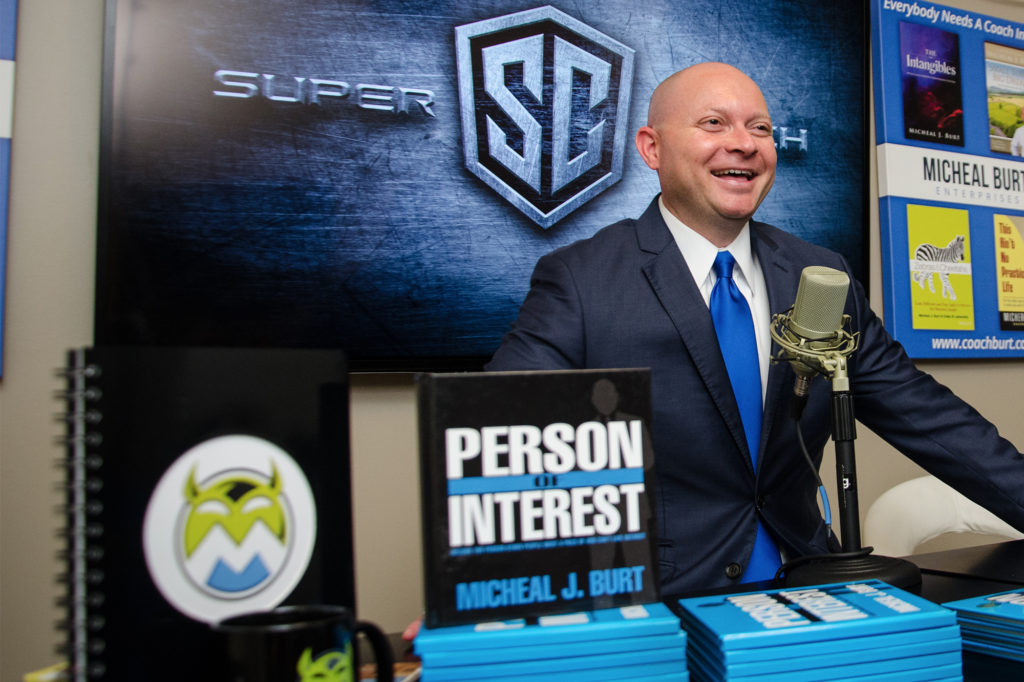
Pure Sweat podcast interview with Coach Burt

Coach Michael BurtI rarely endorse or encourage my readers to listen to a podcast interview … unless it includes valuable information for basketball coaches or players. The link below to a recent Pure Sweat podcast interview with “Super Coach” Michael Burt definitely falls into the category of good information. Coach Burt has some excellent ideas that will help you build a winning mindset within your program.

Pure Sweat: Coach Michael Burt (Part 1)

Check it out and see if you don’t agree that Coach Burt brings some great ideas for ways to build a winning mindset both in athletics and for life. (Also available on iTunes.)